

Traveling to Sri Lanka in March: Best Time to Travel to Sri Lanka
Sri Lanka, known as the “Teardrop of India” and the “Pearl of the Indian Ocean,” is a fascinating destination combining pristine beaches, lush landscapes, ancient sacred cities, diverse wildlife and a rich cultural heritage. While Sri Lanka can be visited throughout the year, March offers a particularly attractive combination of pleasant weather, nature, culture and outdoor adventures.

Transitional Weather in Sri Lanka in March
The Best of Two Seasons
Sri Lanka is influenced by two main monsoon systems: the southwest monsoon, known as Yala, and the northeast monsoon, known as Maha. March falls between these major seasonal patterns, creating generally favorable conditions in several parts of the island.
South and West Coast
Destinations such as Galle, Bentota and Colombo can experience clear skies, warm temperatures and sunny days during March. These conditions make the southern and western coastline attractive for beach holidays, sightseeing and relaxing by the Indian Ocean.
Central Highlands
Kandy, Nuwara Eliya and Ella offer a cooler environment compared with the coast. The highlands are well suited to hiking, scenic train journeys, tea plantation visits and exploring the distinctive landscapes of Sri Lanka's mountain region.

East Coast
The east coast, including Trincomalee and Arugam Bay, begins moving toward its drier season. Weather conditions can vary, but March can offer travelers the opportunity to explore these regions before the main east-coast travel season becomes more established.
Weather Can Vary
Sri Lanka's tropical climate means weather conditions can change from one region to another. Climate patterns are also becoming less predictable, so travelers should always check local conditions close to their travel dates.
Vibrant Nature and Amazing Biodiversity
March offers an appealing combination for travelers who enjoy nature and wildlife. Recent rainfall can keep landscapes green, while conditions in several areas can be suitable for exploring national parks and outdoor attractions.

Yala National Park
Yala National Park is one of Sri Lanka's best-known wildlife destinations and is particularly famous for opportunities to observe leopards in their natural environment. A safari can also provide encounters with elephants, crocodiles, birds and other wildlife.
Udawalawe and Minneriya
Udawalawe and Minneriya are well known for their elephant populations. Wildlife enthusiasts can explore these protected areas on safari while discovering Sri Lanka's dry-zone landscapes and diverse birdlife.

Horton Plains
Horton Plains National Park provides a completely different landscape, with cool temperatures, grasslands, forests and hiking trails leading toward the famous World's End viewpoint.
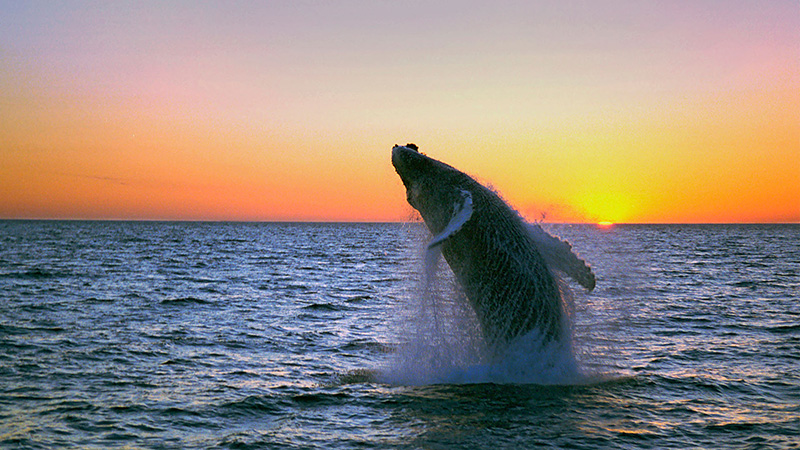
March can also be an interesting period for marine experiences along the southern coast, including snorkeling, diving and whale-watching excursions around destinations such as Mirissa, depending on sea and weather conditions.
Wildlife Experiences
A March journey can combine safari experiences, mountain landscapes, tropical beaches and marine activities, making it possible to experience several different sides of Sri Lanka during one trip.
Living Culture and Intense Spirituality
Sri Lanka's cultural identity has been shaped by Buddhism, Hinduism, Christianity, Islam and centuries of local and colonial history. March provides opportunities to discover temples, ancient cities, sacred places and traditional communities throughout the island.

The Cultural Triangle
The Cultural Triangle, including Anuradhapura, Polonnaruwa and Sigiriya, is an essential part of a Sri Lanka itinerary. Ancient ruins, temples, stupas and archaeological sites provide an insight into the island's long and fascinating history.
Religious Festivals
Depending on the lunar calendar, March may coincide with Buddhist celebrations such as Medin Poya. During religious occasions, temples become places of prayer, flowers, incense and devotion, offering visitors an opportunity to observe Sri Lankan spiritual traditions respectfully.
Kandy and the Temple of the Tooth
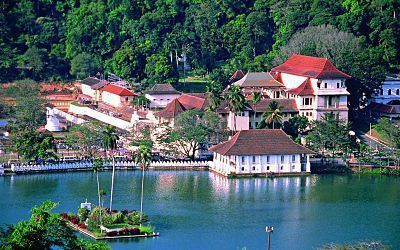
Kandy is one of Sri Lanka's most important cultural destinations. The Temple of the Sacred Tooth Relic is a major Buddhist pilgrimage site and an important part of the country's cultural heritage.

Adventure and Relaxation
A Perfect Combination
One of the advantages of traveling to Sri Lanka is the possibility of combining adventure and relaxation within the same journey.
Hiking
Hiking opportunities range from mountain trails in the central highlands to challenging pilgrimages such as the ascent of Adam's Peak, also known as Sri Pada. Sunrise views from the summit can be a memorable experience.
Scenic Train Journeys
The train journey between Kandy and Ella is one of the most popular scenic rail experiences in Sri Lanka. The route passes through tea plantations, mountain landscapes, forests and small communities.
Peaceful Beaches
Beaches around Mirissa, Unawatuna and Tangalle can provide opportunities for swimming, relaxing and enjoying the tropical coastline. The south coast is especially attractive during the favorable travel period.
Adventure + Relaxation
From hiking and scenic train journeys to wildlife safaris and tropical beaches, March allows travelers to create an itinerary that combines active experiences with time to relax.
Local Cuisine
Flavors That Awaken the Soul
Food is an essential part of experiencing Sri Lanka. The island's cuisine combines rice, coconut, spices, vegetables, seafood and a wide variety of herbs to create distinctive and flavorful dishes.

- Traditional Rice & Curry: A classic Sri Lankan meal with rice and a variety of curries and accompaniments.
- Hoppers: Bowl-shaped fermented rice pancakes often served with curry or sambal.
- Kottu Roti: A popular Sri Lankan street-food dish prepared with chopped roti, vegetables and other ingredients.
- Fresh Seafood: Coastal destinations offer opportunities to enjoy fresh fish and seafood prepared with local spices.
Fewer Tourists, More Authenticity
March can provide a comfortable balance between favorable travel conditions and the busy periods of the tourism calendar. Travelers may find a variety of accommodation and touring options while enjoying a more relaxed pace in some destinations.
- More choice among accommodations and travel experiences.
- Opportunities to explore cultural sites at a relaxed pace.
- More personal interactions with local communities.
- Good opportunities to combine different regions in one itinerary.
- A balanced mix of nature, culture, wildlife and beaches.
Conclusion
March: A Great Month for Discovering Sri Lanka
Traveling to Sri Lanka in March means discovering an island where beaches, ancient culture, wildlife, mountains and local traditions can all become part of the same journey. The transitional weather, diverse landscapes and wide range of experiences make March an attractive period for travelers looking for both exploration and relaxation.
Whether you are traveling solo, as a couple or with family, Sri Lanka offers the opportunity to build a journey around your own interests, from wildlife safaris and cultural heritage to scenic train rides, hiking, local cuisine and tropical beaches.
Frequently Asked Questions About Sri Lanka in March
Is March a good time to travel to Sri Lanka?
March can be a favorable month for traveling around Sri Lanka, offering opportunities for beach holidays, wildlife experiences, cultural visits, hiking and scenic journeys.
What is the weather like in Sri Lanka in March?
March is a transitional period between the island's main monsoon seasons. Conditions vary by region, with warm weather on the coast and cooler temperatures in the central highlands.
What are the best places to visit in Sri Lanka in March?
Popular options include Galle, Bentota, Mirissa, Kandy, Ella, Nuwara Eliya, Sigiriya, Anuradhapura, Polonnaruwa, Yala National Park, Udawalawe and Horton Plains.
Can families travel to Sri Lanka in March?
Yes. Sri Lanka offers many family-friendly experiences, including wildlife safaris, beaches, cultural attractions, scenic train journeys and nature activities.