

Traveling to Sri Lanka in June: Perfect Weather and Unforgettable Adventures
June can be an excellent month to travel to Sri Lanka. Although the southwest monsoon affects some parts of the island, other regions enjoy sunny and relatively dry conditions, making June a wonderful time to explore Sri Lanka's beaches, wildlife, landscapes and cultural heritage.
With fewer tourists, lush natural scenery and exciting opportunities for authentic experiences, traveling to Sri Lanka in June allows you to discover the island at a more relaxed pace.

Why Travel to Sri Lanka in June?
June is an interesting time to discover Sri Lanka because the island's weather varies considerably from one region to another. While the southwest coast and central highlands experience the influence of the southwest monsoon, the eastern coast can offer excellent beach conditions.
This seasonal contrast means travelers can plan their itinerary around the areas with the most favorable weather while enjoying quieter attractions and more authentic interactions with local communities.
Weather and Season
The southwest monsoon, also known as the Yala monsoon, mainly affects the southwest coast and the central highlands. During this period, destinations such as Colombo, Galle and parts of the hill country can experience rain.
In contrast, eastern destinations such as Trincomalee, Pasikudah and Arugam Bay can experience sunny and relatively dry conditions in June. These areas are particularly attractive for travelers looking for beaches, swimming and surfing.

Discover Sri Lanka's Eastern Beaches
One of the main advantages of visiting Sri Lanka in June is the opportunity to enjoy the eastern coastline during one of its favorable travel periods.
Trincomalee
Trincomalee is known for its beautiful coastline, clear waters and historic attractions. It is an excellent destination for combining relaxation, culture and coastal exploration.
Pasikudah
Pasikudah is famous for its calm, shallow waters and long sandy beach. The area is particularly appealing for travelers looking for a peaceful beach escape.
Arugam Bay
Arugam Bay is internationally known for surfing and is one of Sri Lanka's most popular destinations for beach lovers and adventure travelers.
Fewer Crowds, More Authenticity
June falls outside Sri Lanka's main peak tourism season. As a result, many of the country's famous attractions can be noticeably quieter.
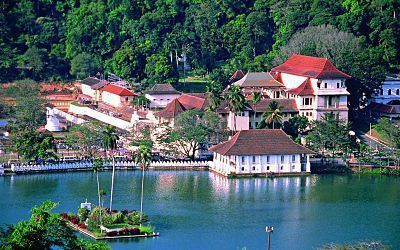
Places such as Sigiriya, the Temple of the Tooth in Kandy and Minneriya National Park can offer a more relaxed experience compared with the busiest months.
Fewer visitors also make it easier to enjoy local restaurants, villages, markets and cultural experiences at a comfortable pace.

Nature and Wildlife
June can be an excellent month for wildlife experiences, particularly in northern and eastern parts of Sri Lanka.
During the dry conditions in these regions, elephants often gather around lakes, reservoirs and rivers. This creates memorable opportunities for travelers interested in Sri Lanka's wildlife.

Wildlife Experiences in June
Minneriya National Park
Minneriya is especially well known for elephant gatherings. During the dry season, large groups of elephants can be seen around the reservoir and surrounding grasslands.
Kaudulla National Park
Kaudulla is another excellent destination for wildlife enthusiasts. The park's water sources attract elephants and a variety of other wildlife.
Local Festivals
June is also an interesting month for experiencing Sri Lanka's Buddhist traditions. One of the most important occasions is Poson Poya, which commemorates the arrival of Buddhism in Sri Lanka.
Poson is celebrated with great devotion, particularly in Anuradhapura, one of the country's most important ancient cities and religious destinations.

Experience Sri Lankan Culture
Traveling during a local festival gives visitors the opportunity to experience Sri Lankan culture beyond traditional sightseeing.
Visitors may encounter religious ceremonies, illuminated streets, devotional activities and community celebrations. These moments provide an authentic insight into the island's spiritual and cultural traditions.
Travel Tips
Choose the Right Region
If you are looking for beach weather in June, consider prioritizing Sri Lanka's eastern coast, including Trincomalee, Pasikudah and Arugam Bay.
Pack Wisely
Bring lightweight clothing suitable for warm weather, together with waterproof clothing or a compact umbrella because rainfall can still occur depending on the region.
Book in Advance
If you plan to travel around Poson Poya or visit particularly popular destinations, arranging important travel services in advance is recommended.
Traveler Tips
- Pack light but waterproof clothing, together with an umbrella or raincoat.
- Check the local weather forecast regularly, especially when traveling between different regions.
- Take advantage of low-season travel offers, discounts and promotions where available.
- Keep your itinerary flexible because occasional rain can affect travel schedules.

Travel Tip: Sri Lanka's regional weather differences make flexible itinerary planning particularly useful in June. By combining the eastern coast with cultural and wildlife destinations, travelers can enjoy a varied Sri Lankan experience.
Conclusion
Traveling to Sri Lanka in June can be a rewarding experience for visitors who want to combine natural beauty, cultural discovery, wildlife and fewer crowds.
With sunny conditions on the eastern coast, exciting wildlife opportunities, important cultural festivals and a quieter atmosphere at many attractions, June offers an excellent opportunity to experience a different side of Sri Lanka.
Whether you are interested in relaxing on tropical beaches, watching elephants on safari, discovering ancient cities or experiencing local traditions, Sri Lanka in June can provide an unforgettable journey.
Plan Your Sri Lanka Journey
Create a tailor-made Sri Lanka itinerary designed around your travel dates, interests and preferred destinations. A local travel agency can help you combine beaches, wildlife, culture and authentic experiences while adapting your route to the seasonal conditions.