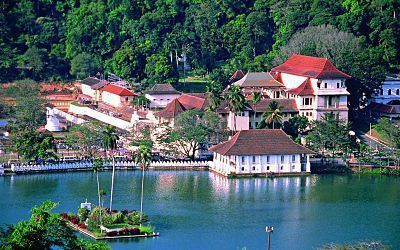


Visit to a Tea Factory in Sri Lanka: A Journey to the Heart of Flavor
Sri Lanka, internationally famous for Ceylon Tea, has a long tradition of producing high-quality tea in the cool mountains of the island. Visiting a tea factory is one of the most interesting experiences for travellers exploring the central highlands.
A tea factory visit is much more than a simple sightseeing stop. It is a cultural and sensory experience where you can discover how freshly picked tea leaves are transformed into the tea that reaches cups around the world.

History and Tradition of Ceylon Tea
The cultivation of tea in Sri Lanka dates back to the 19th century, when tea plantations were introduced during the British colonial period. The cool mountain regions became particularly important for tea cultivation.
Today, Sri Lankan tea is internationally recognised as Ceylon Tea. The country's tea-growing regions include the highlands around Nuwara Eliya, Kandy and Ella, where altitude, climate and soil contribute to the character of the tea.
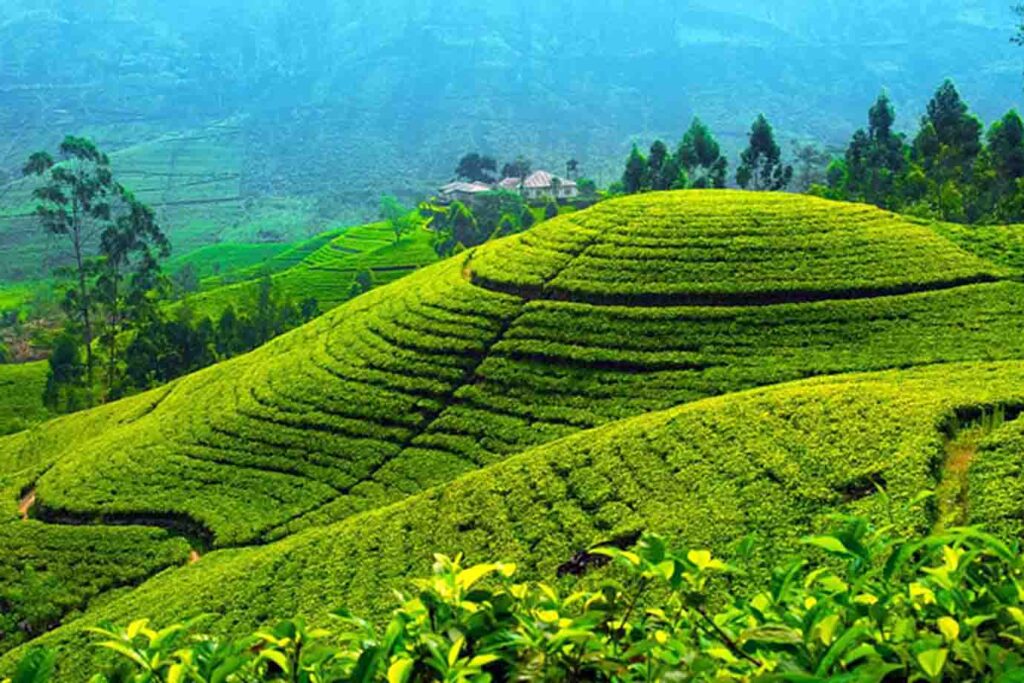
The Tea Country of Sri Lanka
The central highlands combine dramatic mountain scenery with endless tea plantations, making the region one of the most distinctive landscapes to experience during a journey through Sri Lanka.
The Tea Factory Tour
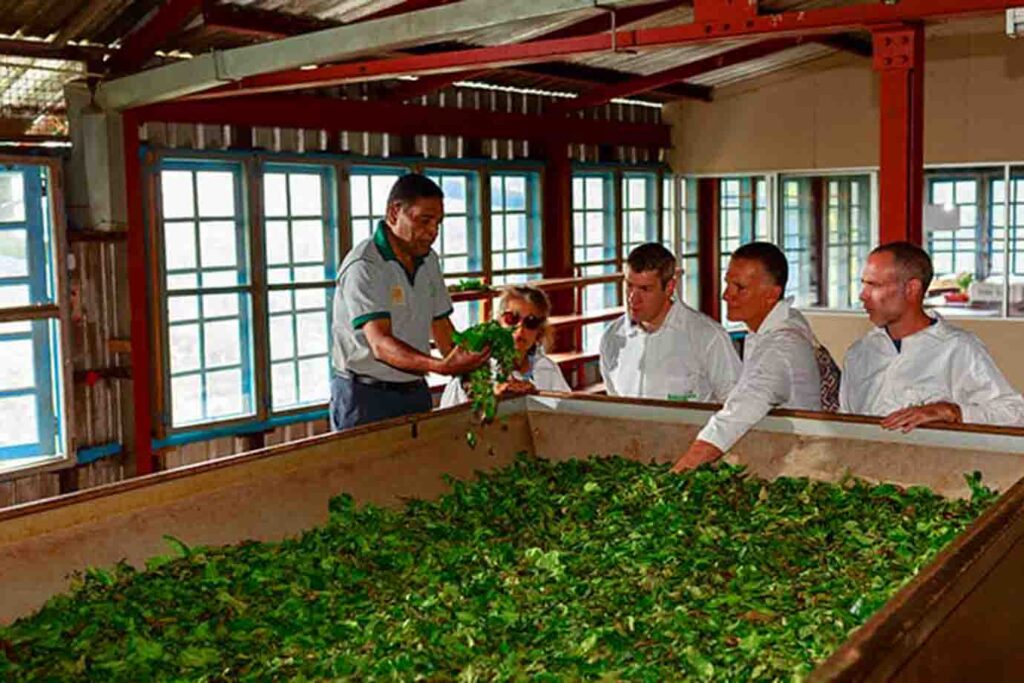
During a tea factory visit, a specialised guide explains the different stages involved in producing Ceylon tea. Visitors can see how freshly harvested leaves are handled and processed before they become finished tea.
Depending on the factory, the tour may include demonstrations of traditional machinery, production rooms and explanations about different grades and varieties of tea.
1. Harvesting
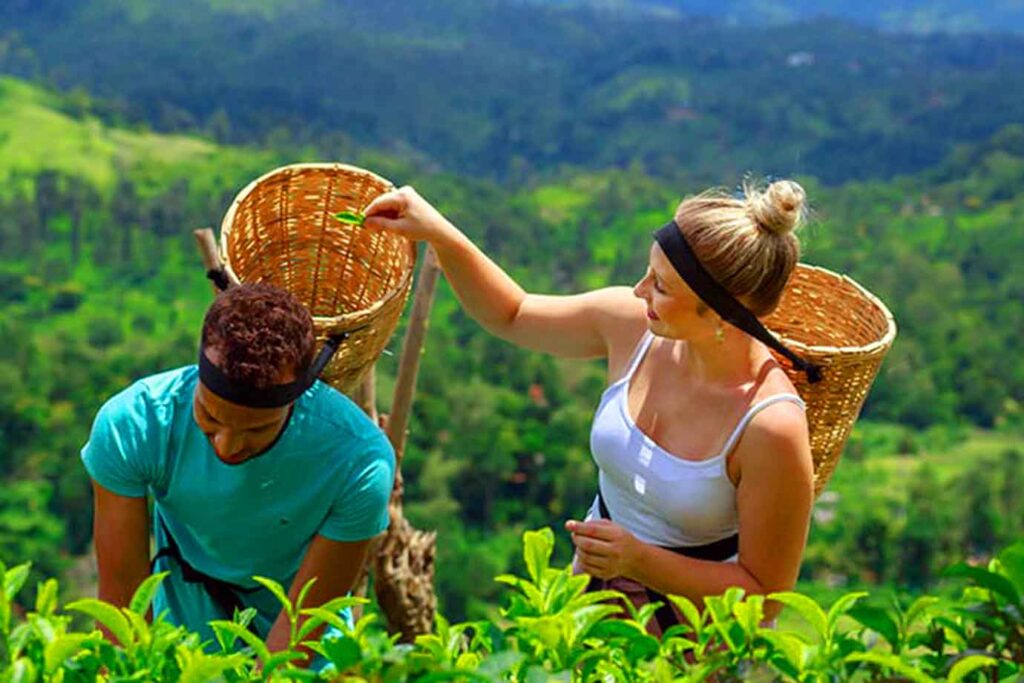
Tea production begins in the plantation. Skilled tea pluckers carefully select the youngest and most tender leaves and buds from the tea bushes.
2. Withering
After harvesting, the fresh leaves are transported to the factory. They are spread out in large withering areas where their moisture content is gradually reduced.
This is an important first step because it prepares the leaves for the following stages of production.
3. Rolling
The withered leaves are then rolled mechanically. This process breaks the cells of the leaves and helps release the natural oils and compounds that contribute to the final aroma and flavour of the tea.

4. Oxidation or Fermentation
Oxidation is one of the key stages in the production of black tea. During this process, chemical changes in the leaves influence their colour, aroma and flavour.
The level and duration of oxidation help determine the characteristics of the finished tea.
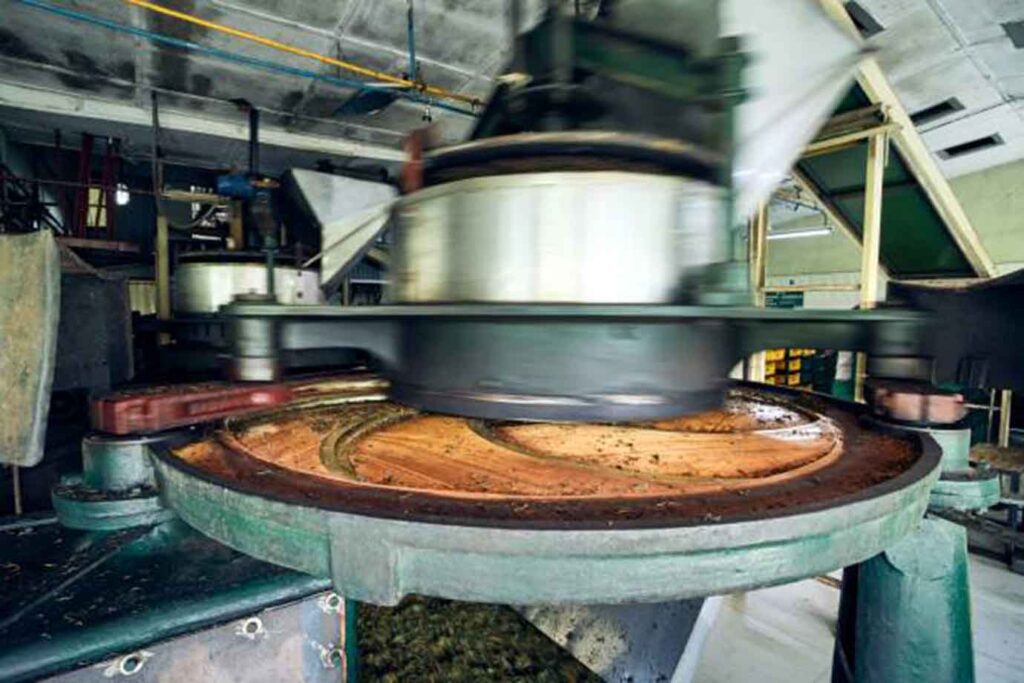
5. Drying
The tea is then dried to reduce its moisture and stop the oxidation process. Drying helps preserve the characteristics developed during the earlier stages of production.
Once the tea has been dried, it can be sorted, graded and prepared for packaging.
Different Types of Tea You Can Taste
A tea factory visit often concludes with a tasting session where visitors can discover several types and flavours of Sri Lankan tea.
- Black Tea: One of the most widely recognised types of Ceylon tea, with a variety of flavours depending on the growing region and production method.
- Green Tea: Produced using methods designed to limit oxidation and preserve the fresh character of the leaves.
- White Tea: Made from selected young buds and produced using a more delicate process.
- Flavoured Tea: Tea can also be blended with natural flavours and other ingredients to create distinctive combinations.
Tea Tasting
One of the most enjoyable parts of a tea factory visit is the tasting experience. Visitors can sample different teas and compare their aroma, colour, strength and flavour.
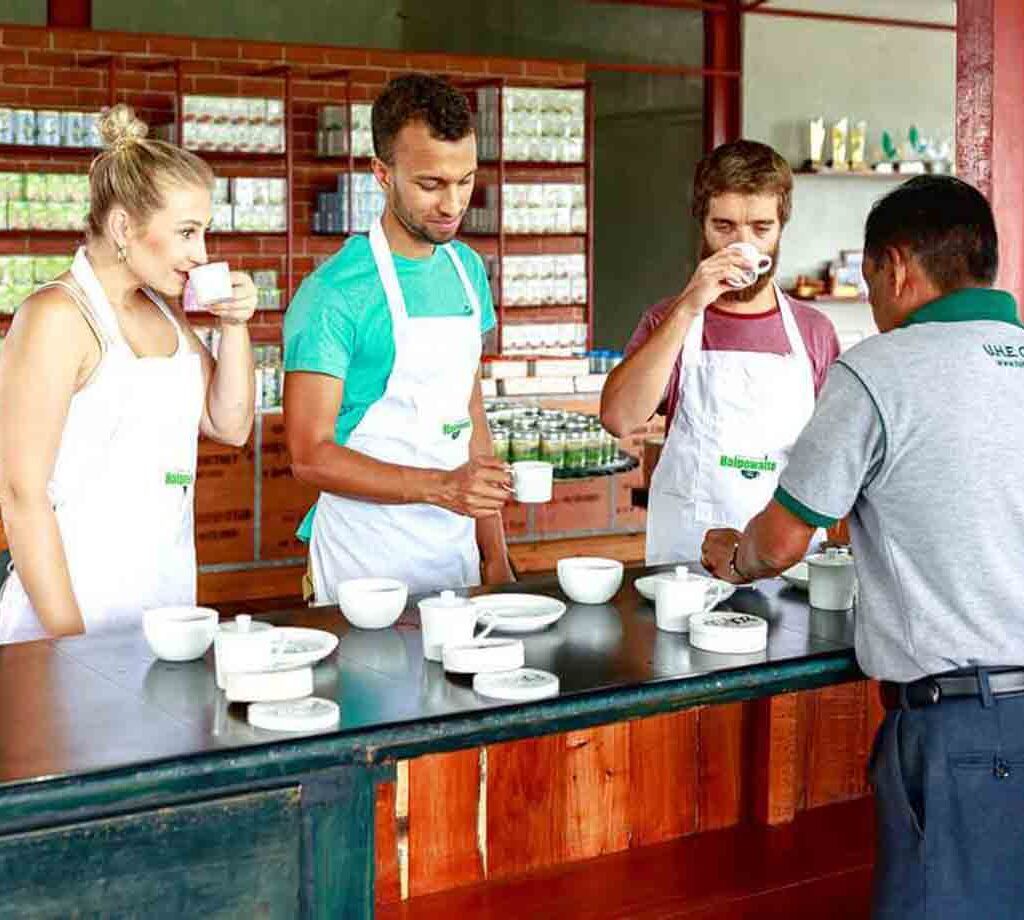
Discover the Flavours of Ceylon Tea
Each tea can have different characteristics depending on altitude, climate, soil, processing techniques and the region where it is grown.
Sri Lanka's Main Tea-Growing Regions
Tea is cultivated in several regions of Sri Lanka, with different elevations and climates creating distinct characteristics in the finished product.
- Nuwara Eliya: Famous for its high-altitude tea plantations and cool mountain climate.
- Kandy: One of the historic tea-growing areas of Sri Lanka, surrounded by beautiful hills and valleys.
- Ella: A popular mountain destination surrounded by tea plantations and spectacular scenery.
- Haputale: Another scenic highland area known for tea estates and panoramic mountain views.
Tea Factory Shop and Souvenirs
Many tea factory visits finish with a visit to the factory shop. This gives travellers the opportunity to purchase freshly produced Ceylon tea directly from the source.
Tea makes a popular Sri Lankan souvenir because it is lightweight, easy to carry and closely connected with the country's history and culture.
Take Home Authentic Ceylon Tea
Purchasing tea directly from a factory allows visitors to choose from different varieties and take home a flavour of Sri Lanka's famous tea country.
Why Visit a Tea Factory in Sri Lanka?
A tea factory visit combines nature, culture, history and local production in a single experience. It is particularly interesting for travellers who want to understand more about one of Sri Lanka's most internationally recognised products.
- See the Tea-Making Process: Learn how freshly picked leaves are transformed into finished tea.
- Experience the Tea Country: Travel through beautiful mountain landscapes covered with tea plantations.
- Learn About Local Traditions: Discover the skills and traditions behind Sri Lanka's tea industry.
- Taste Different Teas: Compare black, green, white and flavoured varieties.
- Buy a Sri Lankan Souvenir: Take authentic Ceylon tea home from the tea-growing regions.
Combine a Tea Factory Visit With a Sri Lanka Journey
A tea factory can easily be included in a wider journey through Sri Lanka's central highlands. It can be combined with visits to Kandy, Ramboda Falls, Nuwara Eliya, Horton Plains and Ella.
Travellers can also combine a tea factory experience with a scenic train journey through the mountains, creating a memorable route through Sri Lanka's tea country.
A Perfect Hill Country Experience
Tea plantations, mountain scenery, waterfalls, colonial heritage and scenic train journeys make Sri Lanka's central highlands one of the most rewarding regions to explore.
Frequently Asked Questions About Visiting a Tea Factory in Sri Lanka
What can you see during a tea factory visit in Sri Lanka?
Visitors can learn about the main stages of Ceylon tea production, including harvesting, withering, rolling, oxidation, drying and tea tasting.
Where can you visit tea factories in Sri Lanka?
Tea factories can be visited in Sri Lanka's main tea-growing regions, including the central highlands around Nuwara Eliya, Kandy and Ella.
What happens during a Sri Lankan tea factory tour?
A guided visit normally explains how freshly picked tea leaves are processed and transformed into finished tea, followed by an opportunity to taste different varieties.
Can you buy Ceylon tea at a tea factory?
Many tea factory visits include a shop where visitors can purchase locally produced Ceylon tea and take authentic Sri Lankan tea home with them.
Conclusion
Visiting a tea factory in Sri Lanka is a fascinating way to discover the story behind Ceylon Tea. From the green plantations and careful harvesting of the leaves to the machinery used inside the factory, every stage contributes to the final character of the tea.
The experience becomes even more memorable when combined with the spectacular scenery of Sri Lanka's central highlands, where tea plantations cover the slopes around Nuwara Eliya, Kandy, Ella and other mountain regions.
For travellers interested in Sri Lankan culture, nature, food and local traditions, a tea factory visit is an experience that brings together many different aspects of the island in one journey.
Discover the Heart of Ceylon Tea
Explore Sri Lanka's tea country, visit a traditional tea factory, taste authentic Ceylon Tea and experience the spectacular mountains of the island on a tailor-made Sri Lanka journey.