

Kurunegala: A City of History and Culture in Sri Lanka
Kurunegala is an important city in Sri Lanka's North Western Province and the capital of Kurunegala District. Located approximately 94 kilometres north of Colombo, the city is an important regional administrative and commercial centre.
Known for its historic heritage, distinctive rock formations, cultural traditions and connection with Sri Lanka's ancient kingdoms, Kurunegala offers travelers an interesting combination of history, local life and access to several important destinations across the island.
A City Shaped by Sri Lanka's History
Kurunegala has a rich historical and cultural heritage. The region played an important role during Sri Lanka's medieval period and was connected with the country's ancient Sinhalese kingdoms.
The name Kurunegala is traditionally associated with Kuruniya Gala, meaning "Elephant Rock", referring to the distinctive rock formation that dominates the landscape around the city.
History of Kurunegala
Kurunegala has long been an important location in Sri Lanka because of its geographical position and connections between different parts of the island. The city became particularly significant during the medieval period.
Its historical importance is closely connected with the ancient Sinhalese kingdoms. The wider region contains several archaeological and cultural sites that reflect the long history of Sri Lanka and the development of its royal centres.
The city's most recognizable landmark is Ethagala, the large rock formation associated with the elephant shape that gave Kurunegala its traditional name.

Landmarks and Places to Discover
Kurunegala and its surrounding area offer several places of interest for travelers who want to explore Sri Lanka's history, landscapes and local culture.
- Ethagala or Elephant Rock: One of Kurunegala's most recognizable natural landmarks, Ethagala rises above the city and is strongly associated with the identity and history of Kurunegala.
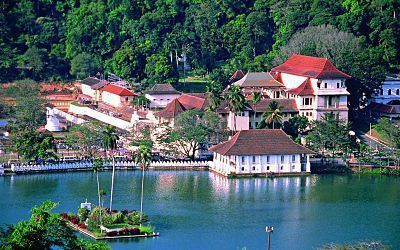
- Kurunegala Lake: Located close to the city centre, Kurunegala Lake is a popular recreational area and provides a pleasant setting for enjoying the surrounding landscape.
- Yapahuwa Rock Fortress: The nearby Yapahuwa area is an important historical site known for its impressive rock fortress and its connection with Sri Lanka's medieval royal history.
- Historical and Religious Sites: The wider Kurunegala region contains temples, religious landmarks and cultural sites that provide opportunities to learn more about Sri Lanka's traditions and heritage.
- Local Markets and City Life: Kurunegala is an active regional commercial centre, allowing travelers to experience everyday Sri Lankan life, local shops and traditional products.

Experience the Cultural Side of Kurunegala
Kurunegala combines historical landmarks with everyday local life. Festivals, religious celebrations, traditional activities and the diversity of the local population contribute to the cultural character of the city.
Kurunegala as a Regional Centre
Today, Kurunegala remains an important administrative and commercial centre in Sri Lanka. The city is home to businesses, banks, educational institutions and many services serving the surrounding region.
Agriculture also plays an important role in the surrounding areas. Rice, coconut, fruits and other crops are cultivated throughout the region, contributing to the local economy and rural landscape.

Transportation and Accessibility
Kurunegala is well connected with several major destinations in Sri Lanka by road and rail. Its location makes it a convenient stop when traveling between Colombo, Kandy, Dambulla, Anuradhapura and other parts of the island.
Kurunegala Railway Station is an important transport hub, while several major roads connect the city with other regions of Sri Lanka.
For travelers exploring the Cultural Triangle or central Sri Lanka, Kurunegala can be incorporated into a private or tailor-made itinerary according to the route and interests of the traveler.

Culture and Local Life
Kurunegala has a vibrant cultural environment influenced by Sri Lanka's long history and the diversity of its population. Religious celebrations, festivals and traditional performances take place throughout the year.
Traditional Sri Lankan Life
Around Kurunegala, visitors can observe aspects of everyday Sri Lankan life, including agriculture, local markets, religious activities and village communities.
Food and Local Cuisine
A visit to Kurunegala can also be an opportunity to experience traditional Sri Lankan cuisine. Local meals may include rice and curry, vegetable dishes, sambols, hoppers, string hoppers and fresh tropical fruits.
Religious Traditions
Buddhist temples and other religious sites form an important part of the cultural landscape. Visitors should dress respectfully and follow local customs when visiting religious places.

Agriculture Around Kurunegala
Agriculture is an important part of life in the areas surrounding Kurunegala. The region's landscapes include cultivated fields, coconut plantations and other agricultural areas.
Travelers passing through the countryside can see how agriculture remains connected with local communities and the regional economy. These rural landscapes provide a different perspective from Sri Lanka's major tourist attractions.

Education and Modern Kurunegala
Kurunegala has developed into an important educational centre in the North Western Province. The city is home to schools, higher education institutions and other educational facilities serving students from the surrounding districts.
The combination of historical heritage and modern urban development gives Kurunegala a distinctive character within Sri Lanka.
Why Include Kurunegala in a Sri Lanka Itinerary?
Kurunegala is particularly interesting for travelers who want to discover more than Sri Lanka's most famous tourist attractions. Its historical background, distinctive landscape and local culture provide an opportunity to experience another side of the island.
The city's location also makes it practical to combine with other destinations. Depending on the itinerary, travelers can connect Kurunegala with Colombo, Kandy, Dambulla, Sigiriya, Anuradhapura, Yapahuwa and other important places.
A Gateway to History, Culture and Local Experiences
Kurunegala can be included as part of a tailor-made Sri Lanka journey for travelers interested in history, culture, rural landscapes and authentic local experiences.
Best Experiences in Kurunegala
- Explore Elephant Rock: Discover Ethagala, the distinctive landmark that has become closely associated with Kurunegala.
- Visit Kurunegala Lake: Enjoy the peaceful surroundings of the lake and the landscape around the city.
- Discover Yapahuwa: Include the historic Yapahuwa Rock Fortress as part of a wider cultural journey.
- Experience Local Culture: Explore temples, markets, traditional celebrations and everyday life in the region.
- Enjoy the Countryside: Travel through agricultural landscapes and villages surrounding Kurunegala.
- Connect with Other Destinations: Use Kurunegala as part of a wider itinerary connecting the western, central and north-central regions of Sri Lanka.
Discover Kurunegala with Sri Lanka Eden Travels
Explore the history and culture of Kurunegala with Sri Lanka Eden Travels. We can include Kurunegala in a tailor-made Sri Lanka itinerary together with ancient cities, cultural sites, wildlife parks, mountain destinations and beaches.
From historical landmarks and local culture to scenic countryside and nearby attractions, we can help create a private journey that matches your interests and travel style.