

Pigeon Island Marine National Park: The Complete Snorkeling, Diving & Travel Guide
Lying just 1 kilometer off the sun-kissed coast of Nilaveli in the Trincomalee District, Pigeon Island National Park is one of Sri Lanka’s two designated marine national parks (alongside Hikkaduwa). Covering an expansive maritime sanctuary of 471.4 hectares, the park protects a delicate marine ecosystem consisting of 9 hectares of rocky island landmass surrounded by vibrant coral reefs teeming with life.
Famed for boasting some of the healthiest remaining shallow live coral reefs in Sri Lanka, Pigeon Island offers an unparalleled marine adventure. Snorkelers and scuba divers from across the world visit this protected coastal jewel to swim alongside docile Blacktip Reef Sharks, gentle sea turtles, and dazzling schools of tropical reef fish in crystal-clear turquoise waters.
History & Marine Conservation Status
The island complex was first recognized as a protected wildlife sanctuary in 1963 under colonial conservation laws. In 2003, it was formally re-designated as a National Park under the Department of Wildlife Conservation (DWC) to protect its high-density coral communities from coastal development, overfishing, and unregulated motorized water sports.
The national park encompasses two distinct islet landforms:
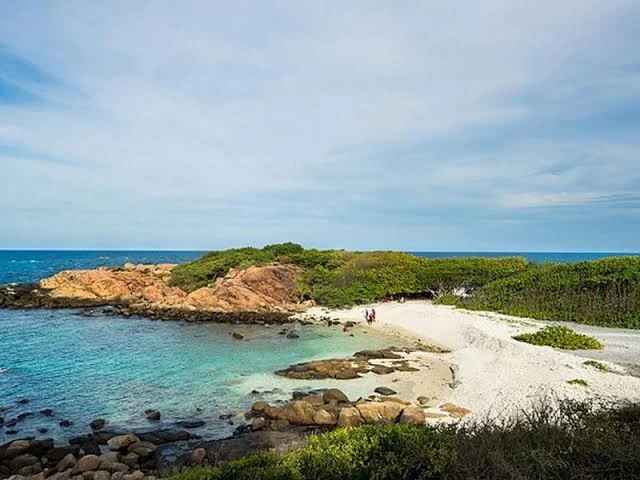
- Large Pigeon Island: The primary destination for travelers. Flanked by an extensive fringing coral reef approximately 200 meters long and 100 meters wide, this shallow lagoon shelter is where visitors land by boat to snorkel, swim, and relax on coral-strewn sands.
- Small Pigeon Island: Surrounded by rocky islets and steeper underwater shelves. It experiences stronger currents and serves as a vital sanctuary for deep-water marine species, nesting sea birds, and experienced scuba divers exploring deeper reef walls.
- The Avian Namesake: The island derives its name from the native Blue Rock Pigeon (Columba livia), hundreds of which nest and roost amidst the natural rocky crevices and coastal cliffs of the islands.
The Marine Life: Swimming with Sharks & Sea Turtles
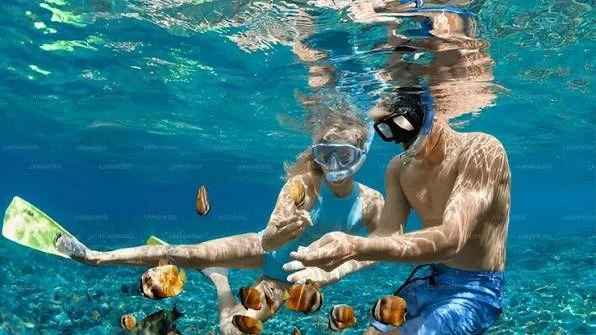
Pigeon Island's underwater ecosystem supports over 100 species of delicate corals and more than 300 varieties of vibrant reef fish:
- Blacktip Reef Sharks (Carcharhinus melanopterus): The marquee highlight of Pigeon Island. Dozens of juvenile and adult blacktip reef sharks cruise freely through the waist-deep to head-deep coral lagoons. Completely non-aggressive and accustomed to swimmers, they offer thrill-seekers a bucket-list opportunity to snorkel side-by-side with wild sharks.
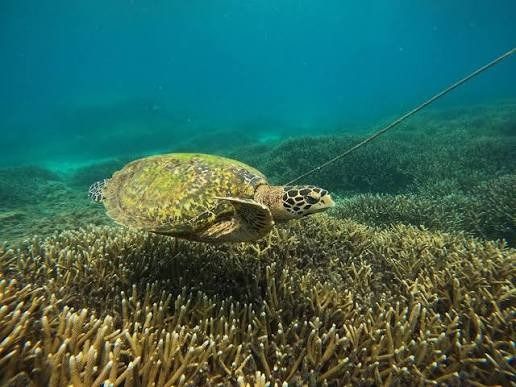
- Sea Turtles (Hawksbill & Green Turtles): Endangered Hawksbill Turtles and Green Sea Turtles frequent the shallow reefs to graze on marine algae and soft sponges. Visitors regularly encounter them calmly surfacing for air just feet away from snorkelers.
- A Living Kaleidoscope of Corals: The reef is predominantly composed of branching Acropora (staghorn and elkhorn corals), massive Porites, Brain corals, and soft cabbage corals, creating an intricate three-dimensional underwater labyrinth.
- Tropical Reef Fish Communities: The reef is densely populated by Moorish Idols, Blue-ringed Angelfish, Parrotfish, Butterflyfish, Clownfish (Nemo) tucked into waving sea anemones, Giant Trevallies, and Blackspotted Moray Eels peering from coral crevasses.
- Native Blue Rock Pigeons: On land, the craggy interior of the island provides breeding sanctuaries for colonies of wild rock pigeons, white-bellied sea eagles circling overhead, and migratory coastal terns.
Snorkeling Sessions & Boat Excursions
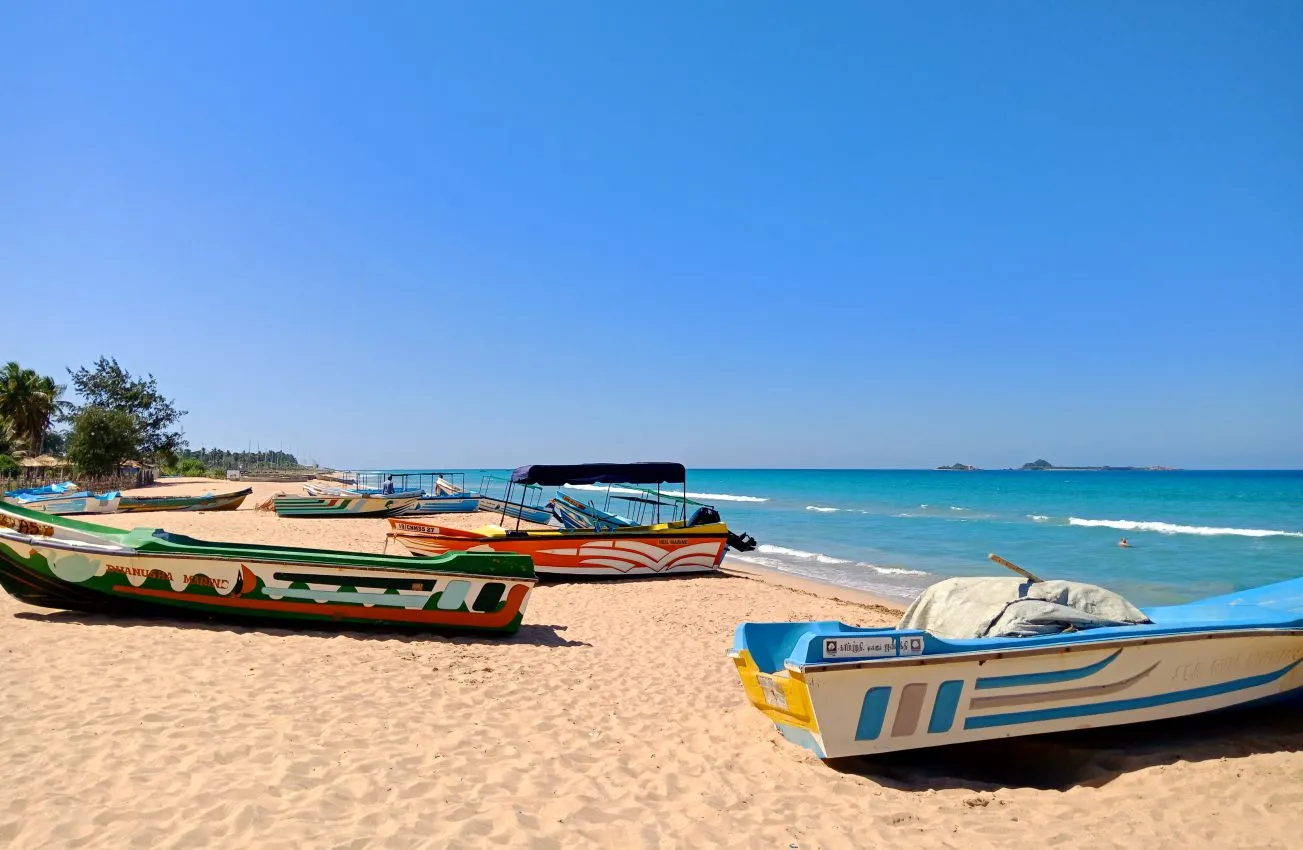
Motorized fiberglass boats operate directly from Nilaveli Beach to Pigeon Island (approx. 10 to 15-minute boat ride). Planning your water session is key for peak clarity:
| Session Window | Time Schedule | Underwater Conditions & Experience |
|---|---|---|
| Early Morning (Most Recommended) | 8:00 AM – 10:30 AM | Glass-like calm waters, optimal sun penetration, and maximum visibility (up to 20 meters). Reef sharks and turtles are actively feeding before peak boat crowds arrive. |
| Midday Snorkel | 11:00 AM – 2:00 PM | Direct overhead sunlight illuminates coral colors brightly for underwater photography. The island beach tends to become busier with daytime excursion groups. |
| Afternoon Return | 2:30 PM – 4:30 PM | Afternoon trade winds can cause light surface chop. Boats usually commence return trips before 5:00 PM when DWC wardens close park waters for the night. |
Best Season to Visit Pigeon Island
Unlike the southern and western coasts of Sri Lanka, the east coast follows an opposite monsoon cycle, making Nilaveli and Trincomalee the ultimate dry-season haven during the northern hemisphere summer:
| Season | Months | Sea Conditions & Visibility |
|---|---|---|
| Prime Snorkeling & Diving Season | May – September | Flat, mirror-like seas, cloudless skies, and warm water temperatures (28°C–30°C). Visibility reaches its yearly peak, providing world-class snorkeling conditions. |
| Shoulder Season | March – April & October | Pleasant tropical weather with occasional mild swells. Excellent time to experience the island with fewer crowds before monsoon shifts. |
| Northeast Monsoon (Off-Season) | November – February | Rough seas, heavy rainfall, high currents, and poor underwater visibility. Boat transfers from Nilaveli are often halted by authorities for safety. |
Entrance Fees & Boat Logistics (Practical Info)
A trip to Pigeon Island involves two separate payments: the Nilaveli boat transfer and the Department of Wildlife Conservation (DWC) marine park entry ticket:
- DWC Marine Park Permits: Tickets must be obtained at the official Wildlife Department ticketing office on Nilaveli Beach prior to boarding. Foreign adult fees are roughly $30–$40 USD (inclusive of marine sanctuary service fees and government taxes; ticket pricing benefits small groups traveling together).
- Boat Hire from Nilaveli: Local certified boatmen operate return transfers (accommodating up to 6–7 passengers per boat). A private return boat transfer typically costs between $20–$35 USD per boat.
- Snorkel Equipment Rental: Masks, snorkels, life jackets, and reef shoes can be rented from dive centers or beachside counters along Nilaveli Beach if you do not carry your own gear.
Reef Conservation Guidelines & Safety Etiquette
- Never Step on or Kick Corals: Corals are delicate living animals that take decades to grow mere inches. Maintain neutral buoyancy and be careful with your fins in shallow reef channels.
- Do Not Chase or Touch Wildlife: Maintain a respectful distance of at least 2–3 meters from sea turtles and reef sharks. Never corner or attempt to hold resting turtles.
- Use Reef-Safe Sunscreen: Traditional sunscreens contain oxybenzone and octinoxate that cause coral bleaching. Use mineral-based (zinc oxide) sunscreen or wear UV-protective rash guards.
- Wear Reef Booties or Water Shoes: The beach area of Large Pigeon Island consists of broken coral fragments and crushed shells rather than soft sand, which can be sharp underfoot.
- Zero Plastic Litter: Pigeon Island is an ecologically sensitive plastic-free zone. Ensure all personal belongings and hydration bottles are brought back to the mainland.
Design Your East Coast Beach & Marine Tour with Eden Travels
Combine the crystal waters of Nilaveli and Pigeon Island with Trincomalee’s historic Koneswaram Temple, whale-watching excursions, and seamless transfers across Sigiriya and Kandy. Sri Lanka Eden Travels crafts your tailor-made coastal escape.