

Wilpattu National Park: Complete Safari Guide to Sri Lanka's Wild North
Wilpattu National Park, located in the northwest of Sri Lanka, is the island's largest national park and one of its most remarkable wilderness areas. Famous for its peaceful landscapes, natural lakes, dense forests, and elusive leopards, Wilpattu offers a very different safari experience from the more open grasslands of Sri Lanka's other wildlife parks.
The park's name comes from the distinctive natural lakes known as willus. These shallow water bodies are scattered throughout the forest and become important sources of water for elephants, deer, wild boar, crocodiles, birds, and many other species. Together with its extensive dry-zone forest, these willus create an extraordinary habitat for wildlife.
The Ancient Wilderness of Wilpattu
Wilpattu National Park has a long connection with Sri Lanka's history and natural heritage. The area was first declared a wildlife sanctuary in 1905 and was officially established as a national park in 1938. Its extensive forests and seasonal wetlands have provided habitat for wildlife for generations, while the park's remote character has helped preserve its sense of wilderness.
Key Highlights of a Wilpattu National Park Safari
A jeep safari through Wilpattu National Park is about more than searching for one particular animal. The changing landscapes, quiet forest tracks, natural lakes, and variety of wildlife make every drive an exploration of Sri Lanka's dry-zone wilderness.
- Leopard Encounters: Wilpattu is one of Sri Lanka's important habitats for the Sri Lankan leopard. These elusive big cats can sometimes be seen resting near waterholes, crossing forest tracks, or moving through the scrubland. Sightings are never guaranteed, making every encounter especially memorable.
- The Famous Willus: The park's natural lakes are its defining landscape feature. These water-filled depressions attract wildlife throughout the year and provide excellent locations for observing animals from a respectful distance.
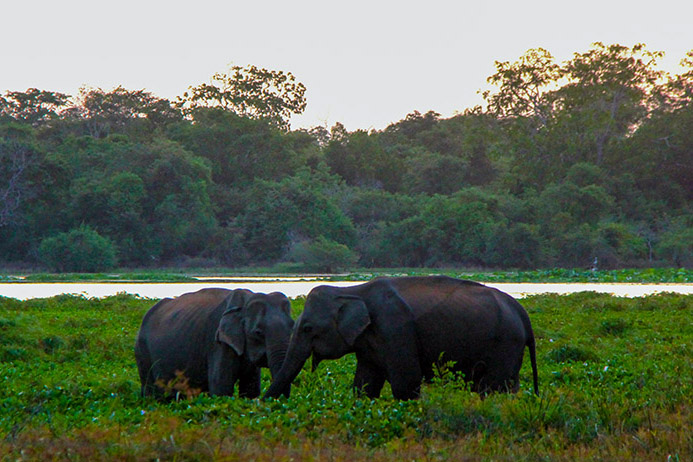
- Elephants and Other Mammals: Safari visitors may encounter Sri Lankan elephants, spotted deer, sambar deer, wild boar, water buffalo, golden jackals, mongooses, and several species of monkeys.
- Rich Birdlife: Wilpattu supports a diverse range of resident and migratory birds. Raptors, kingfishers, storks, egrets, bee-eaters, peafowl, and other forest and wetland species can be observed during a safari.
Safari Timing & Seasonal Planning Guide
Choosing the right safari time can make a significant difference to your experience in Wilpattu National Park. Wildlife activity is generally higher during the cooler hours of the day, while the availability of water influences where animals can be found.
| Safari Slot | Typical Timing | Highlights & Safari Experience |
|---|---|---|
| Morning Safari | Early Morning – Late Morning | Cooler temperatures and active wildlife make the morning an excellent time for photography, birdwatching, and searching for animals along the forest tracks and near the willus. |
| Afternoon Safari | Afternoon – Sunset | As temperatures become cooler, wildlife activity can increase. The late afternoon light also creates excellent conditions for landscape and wildlife photography. |
| Dry Season | February – October | Reduced rainfall can make wildlife easier to locate around remaining water sources. Conditions vary from year to year, so local safari information remains important. |
Why Wilpattu Is Different from Other Sri Lankan National Parks
Wilpattu National Park has a character that sets it apart from many other safari destinations in Sri Lanka. Instead of vast open plains, much of the park consists of dry-zone forest, scrub, and woodland surrounding its distinctive willus.
This means that wildlife encounters can feel more natural and unpredictable. A leopard may appear briefly beside a track, an elephant may emerge from the forest near a lake, or a crocodile may remain almost completely motionless at the edge of a willu. The quiet atmosphere is an important part of the Wilpattu experience.
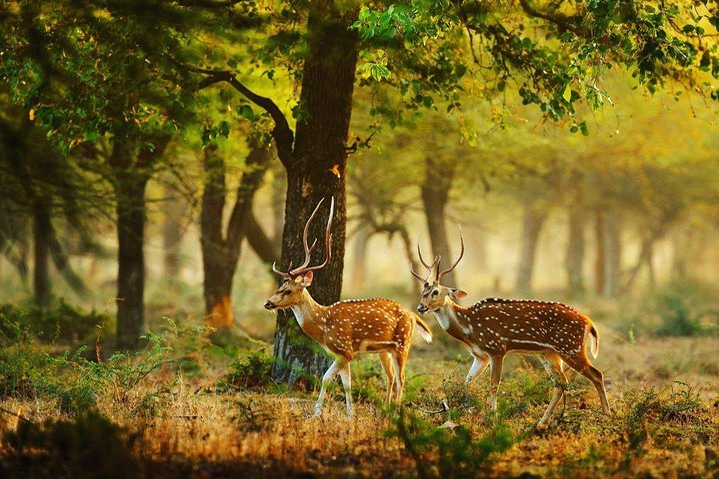
Wildlife You May See in Wilpattu
The biodiversity of Wilpattu National Park makes every safari different. Although leopard sightings are one of the main reasons travelers visit, the park supports a much wider range of wildlife.
- Sri Lankan Leopard: One of the park's most sought-after animals, although sightings depend entirely on natural wildlife behavior.
- Sri Lankan Elephant: Elephants can be encountered around water sources, forest clearings, and open areas.
- Spotted Deer: Commonly seen around the willus and forest edges.
- Sambar Deer: Larger deer that may be found in woodland habitats.
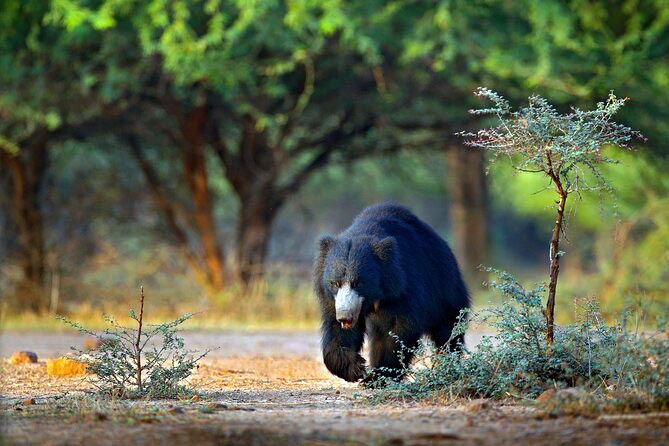
- Sloth Bear: A rare and exciting sighting for safari visitors, particularly in suitable seasonal conditions.
- Wild Water Buffalo: Frequently associated with the park's wetlands and water sources.
- Wild Boar: Often encountered while moving through open forest and scrub.
- Crocodiles: Mugger crocodiles may be seen resting around suitable water bodies.
- Birdlife: The park's forests and wetlands support numerous resident and migratory bird species.
Responsible Safari Guidelines & Etiquette
- Keep a Safe Distance: Never pressure your safari driver to approach wildlife too closely. Animals should always have enough space to behave naturally.
- Keep Quiet: Avoid loud conversations, music, shouting, or sudden movements while observing wildlife.
- Never Feed Animals: Feeding wild animals can change their natural behavior and create risks for both wildlife and visitors.
- Stay Inside the Jeep: Follow the instructions of your safari driver and park authorities, especially when near elephants, leopards, or other large animals.
- Leave No Waste: Take all plastic, food packaging, and other rubbish with you and help protect Wilpattu's fragile ecosystem.
- What to Pack: Bring binoculars, sunscreen, sunglasses, a hat, drinking water, comfortable clothing, and a camera with a suitable telephoto lens.
How to Make the Most of Your Wilpattu Safari
A successful safari is not simply about counting the number of animals you see. Allowing enough time, remaining patient, and paying attention to the surrounding landscape can make the experience much more rewarding.
- Start Early: Morning drives offer cooler temperatures and can provide excellent opportunities to observe active wildlife.
- Spend Time Near the Willus: Natural lakes are important wildlife areas, particularly when other water sources become limited.
- Listen to Your Tracker: Experienced safari drivers know the park's tracks and understand how weather and water conditions influence animal movements.
- Be Patient: Wildlife sightings cannot be guaranteed. Some of the most memorable moments can come from simply observing the forest and waiting quietly.
Experience Wilpattu Safari with Sri Lanka Eden Travels
Discover the untamed beauty of Wilpattu National Park with Sri Lanka Eden Travels. We can arrange private 4x4 jeep safaris, experienced local drivers, and flexible itineraries combining Wilpattu with destinations such as Anuradhapura, Sigiriya, Dambulla, and the northern regions of Sri Lanka.
Whether your priority is searching for leopards, photographing elephants, exploring the famous willus, or simply experiencing one of Sri Lanka's great wilderness areas, we can include Wilpattu in a tailor-made Sri Lanka journey.