

Jaffna: The Ultimate Travel Guide to Sri Lanka's Northern Cultural Capital
Steeped in rich Dravidian heritage, resilient history, and distinctive coastal traditions, Jaffna is the cultural, spiritual, and literary epicentre of Sri Lanka’s northern peninsula. Located nearly 400 kilometers north of Colombo, this captivating destination feels strikingly unique, characterized by soaring gold-gilded Hindu kovil towers (gopurams), expansive palmyra palm plains, vibrant open markets, and ancient colonial stone fortresses.
Emerging as an inspiring destination for world travelers, Jaffna offers an authentic, soulful cultural encounter. From hearing the rhythmic chimes of the sacred Nallur Kandaswamy bells and tasting fiery authentic crab curries to embarking on rustic ferry voyages across turquoise lagoons to islands inhabited by wild horses, Jaffna promises an extraordinary journey into Sri Lanka's northern frontier.
Nallur Kandaswamy Kovil: The Spiritual Core of the North
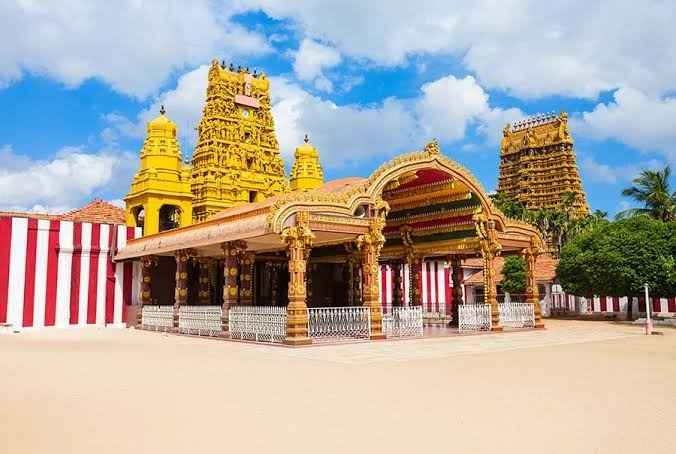
Undoubtedly the most venerated Hindu temple complex in Sri Lanka, Nallur Kandaswamy Kovil is dedicated to Lord Murugan (Skanda). First established in the 10th century during the reign of the Jaffna Kingdom, the current monumental structure is its fourth historical construction. Adorned with towering, gold-plated gopurams, brass oil lamps, and high carved colonnades, it holds multiple daily Puja ceremonies (at 5:00 AM, 10:00 AM, 4:30 PM, 5:00 PM, and 6:45 PM). During the annual 25-day Nallur Esala Festival (August), hundreds of thousands of devotees arrive to pull colossal carved teak chariots (ther) amidst the thunder of thavil drums and nadaswaram flutes.
Top Historical Sights & Monuments in Jaffna
Jaffna rewards curious explorers with an extraordinary blend of ancient Hindu spirituality, Buddhist archaeology, and Dutch maritime colonial history:
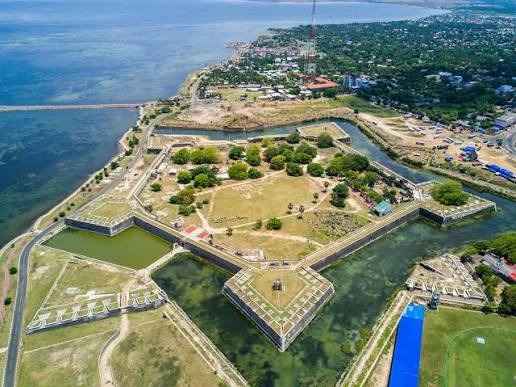
- Jaffna Dutch Fort: Constructed by the Portuguese in 1618 and extensively refortified by the Dutch East India Company in 1680, this vast pentagonal fortress is the second-largest Dutch fort in Sri Lanka. Surrounded by a wide defensive sea moat and twin tunnel networks, visitors can stroll along the restored coral-stone bastions and Queen's Palace gardens, enjoying cooling lagoon breezes and panoramic sunset views.
- The Jaffna Public Library: Designed in majestic Indo-Saracenic classical style with brilliant white domes, Roman columns, and manicured lawns, the library is an iconic symbol of northern scholarship and resilience. Revered across South Asia, it houses priceless literary archives and historic manuscripts.
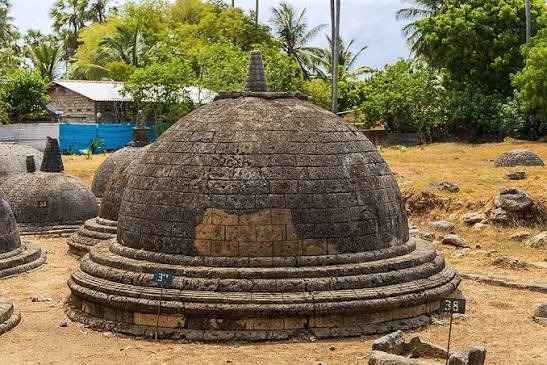
- Kadurugoda Ancient Buddhist Stupas (Kandarodai): Located just 8 km north of Jaffna town, Kadurugoda Viharaya is a rare archaeological marvel dating back to the Anuradhapura era. Protected under the Department of Archaeology, the shady palm grove preserves over 20 miniature coral-stone stupas huddled close together, distinct in design from any other stupas on the island.
- Keerimalai Sacred Freshwater Springs & Naguleswaram Kovil: Perched directly on the edge of the roaring Indian Ocean, the natural mineral springs of Keerimalai are renowned for therapeutic healing properties. Adjacent stands the ancient Thiruketheeswaram-linked Naguleswaram Temple, one of the five sacred Pancha Ishwarams dedicated to Lord Shiva in Sri Lanka.
- Dambakola Patuna (Jambukola Pattana): A profoundly sacred coastal Buddhist sanctuary where Sanghamitta Theri landed in the 3rd century BCE bringing the sacred southern sapling of the Jaya Sri Maha Bodhi tree from India, commemorated today by a gleaming white stupa gazing over Palk Strait.
Exploring the Northern Archipelago: Delft & Nainativu
Jaffna is fringed by an archipelago of idyllic offshore islands accessed via regular ferry boats departing from the Kurikadduwan (KKD) Jetty:
| Island Destination | Ferry & Distance | Top Highlights & Unique Attractions |
|---|---|---|
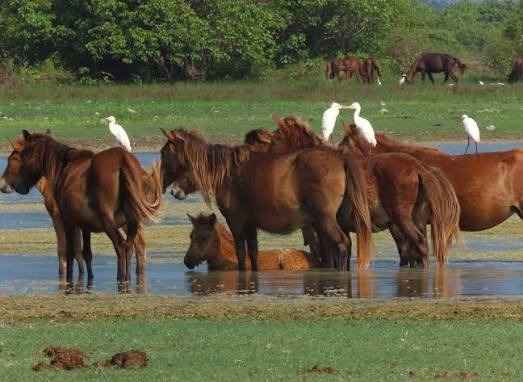
| Delft Island (Neduntheevu) | ~45 min ferry ride from KKD Jetty | Feral wild horses introduced during Dutch rule, ancient hollow baobab trees, Portuguese coral fort ruins, and growing rock formations. |
| Nainativu (Nagadeepa) | ~20 min ferry ride from KKD Jetty | A sacred pilgrimage island hosting the colorful Nagapooshani Amman Hindu Kovil alongside the historic Nagadeepa Purana Raja Maha Vihara. |
| Karainagar & Casuarina Beach | Connected via coastal causeway | The northern peninsula's premier white-sand beach, renowned for shallow, calm turquoise waters framed by shady casuarina pines. |
Travel Logistics: How to Get to Jaffna
Connecting to Jaffna from southern and cultural hubs is smoother and more picturesque than ever:
| Transit Mode | Route & Travel Duration | Highlights & Comfort |
|---|---|---|
| The "Yal Devi" Express Train | Colombo Fort to Jaffna (~6.5 to 7 hours) | First-class air-conditioned observation cars gliding through countryside, crossing the Elephant Pass lagoon causeway into the north. |
| Private Chauffeur Tour (A9 Highway) | Anuradhapura to Jaffna (~3.5 hours drive) | Seamless direct road trip allowing sightseeing stopovers at Iranamadu Tank, Elephant Pass War Memorial, and local palmyra toddy stands. |
| Domestic Charter Flights | Colombo (Ratmalana) to Jaffna (Palaly) (~1 hour) | Quick aerial hop for travelers on tight schedules seeking luxury convenience. |
Jaffna’s Unique Culinary Heritage & Sweet Treats
Northern gastronomy is an extraordinary world of bold, roasted spices and coconut-infused flavors:
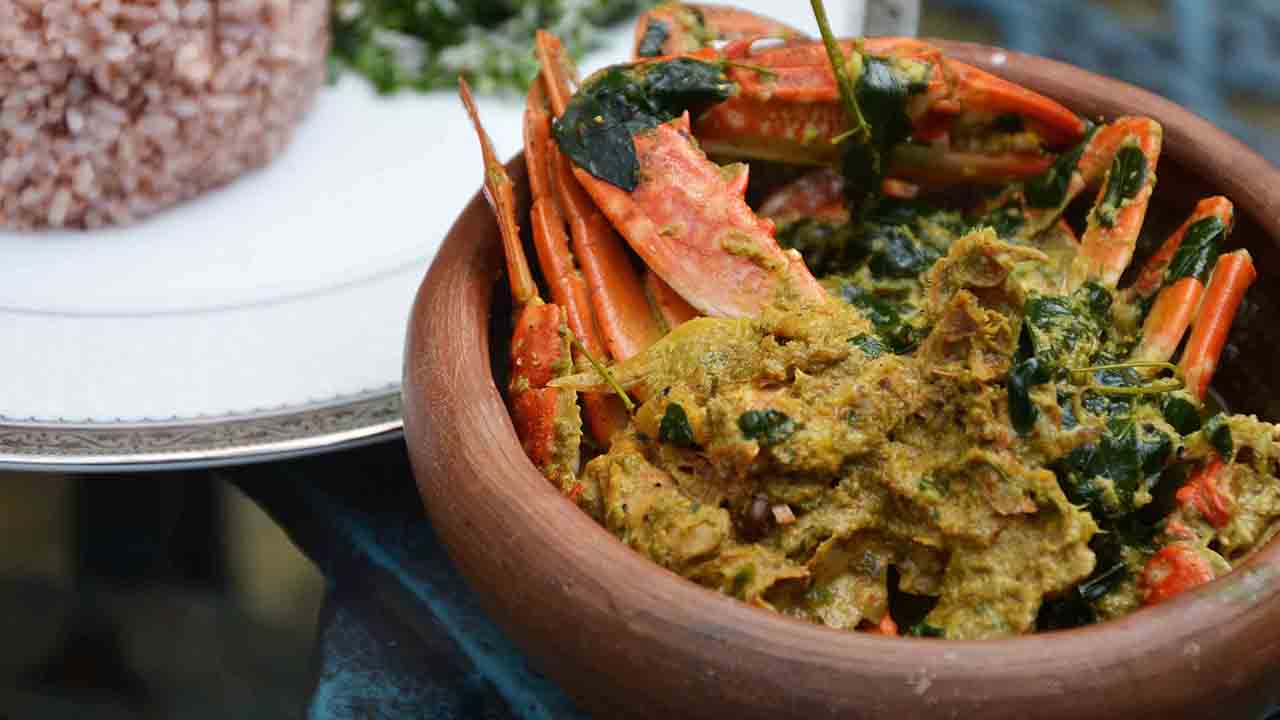
- Authentic Jaffna Crab Curry: Prepared with fresh blue swimmer lagoon crabs, simmered in a dark, fiery gravy spiced with roasted chili, coriander, cumin, fennel, and fragrant moringa leaves. Best devoured with warm roast paan or steamed rice.
- Rio Ice Cream: No tour of Jaffna is complete without stopping by the iconic Rio Ice Cream parlour near Nallur Kovil. Indulge in classic special sundaes, jelly faluda, and sweet mango ice creams.
- Palmyra Delights & Nelli Crush: Sample sweet *Pinattu* (dried palmyra fruit pulp), crunchy palmyra tuber chips (*Odiyal*), and sip refreshing chilled *Nelli Crush* (wild gooseberry nectar).
- Jaffna Market Walk: Stroll through the bustling central market to buy local organic spices, hand-woven palmyra baskets, pure sesame oil, and traditional sweet jaggery wrapped in dried palm leaves.
Visitor Guidelines, Customs & Northern Etiquette
- Hindu Temple Dress Code: Modesty is strictly observed at Hindu temples. When visiting Nallur Kovil, men must remove their upper garments and enter the sacred inner sanctum bare-chested wearing trousers or a traditional dhoti/sarong. Women must wear clothing that fully covers shoulders and knees (sarees, long dresses, or salwar kameez). Shoes must be removed at the footwear desk outside.
- Respecting Post-War Healing: The people of Jaffna are warm, dignified, and hospitable. Always ask permission before photographing local residents or private residential compounds.
- Climate & Sun Gear: Jaffna's climate is dry and tropical, with daytime highs around 30°C to 33°C. Carry ample bottled water, wear UV sunglasses, apply sunscreen, and keep a light cotton scarf handy.
- Best Months to Tour: January to September offers sunny, dry weather and calm waters for island ferries. August is vibrant with the Nallur annual chariot festival.
Experience the Wonders of Sri Lanka with Sri Lanka Eden Travels
From reserved first-class Yal Devi scenic train seats and private chauffeured transfers to guided island explorations across Delft and Nainativu, Sri Lanka Eden Travels ensures your discovery of Jaffna is authentic, deeply enriching, and seamlessly organized.