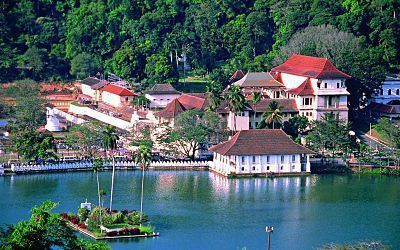


The 35 Endemic Birds of Sri Lanka & Top Birdwatching Sanctuaries
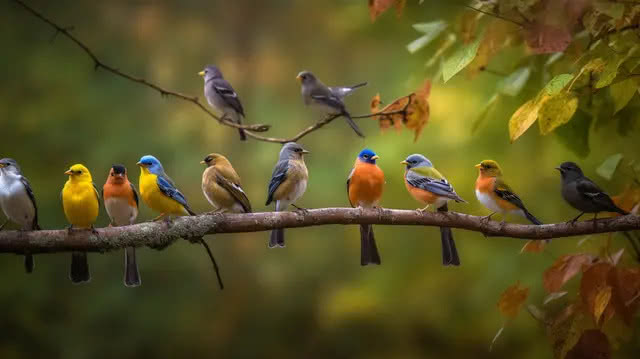
Complete Catalogue of Sri Lanka's 35 Endemic Birds
Explore the full roster of Sri Lanka's exclusive birdlife, complete with verified field descriptions and habitats:
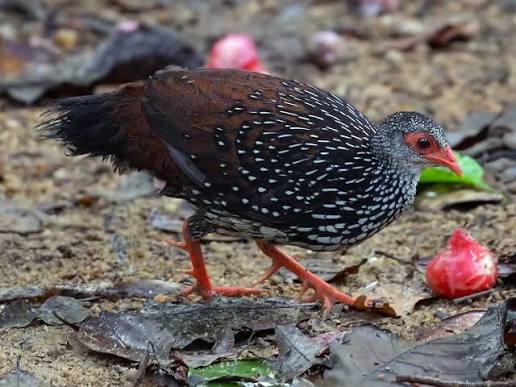
Sri Lanka Spurfowl
An ultra-elusive ground-dwelling bird of dense rainforest understories. Males display striking red facial skin and leg spurs, while their loud, cackling calls echo through the trees long before they are spotted.
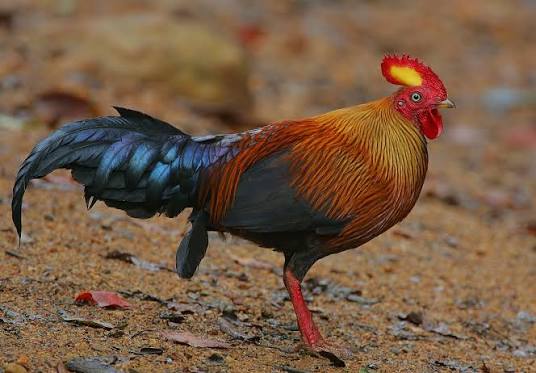
Sri Lanka Junglefowl
Sri Lanka's vibrant national bird. Males showcase brilliant orange-red plumage with deep violet-black underparts and a yellow-centered comb, while females feature camouflaged brown feathers across forests and scrublands.
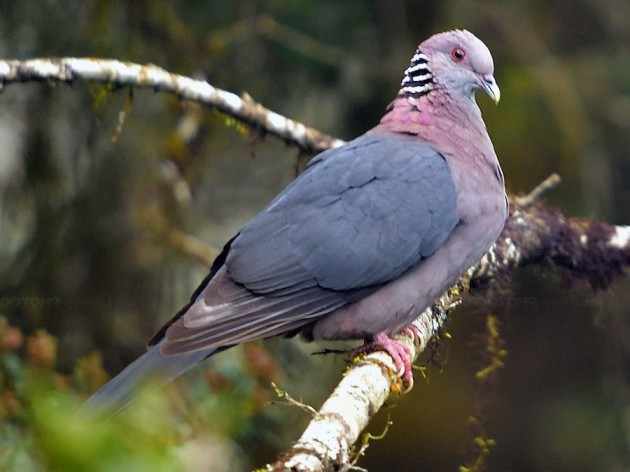
Sri Lanka Wood-Pigeon
A shy forest pigeon restricted mainly to damp central hills. Recognized by its slate-grey plumage, maroon-brown back, and a distinctive checkered black-and-white neck pattern.
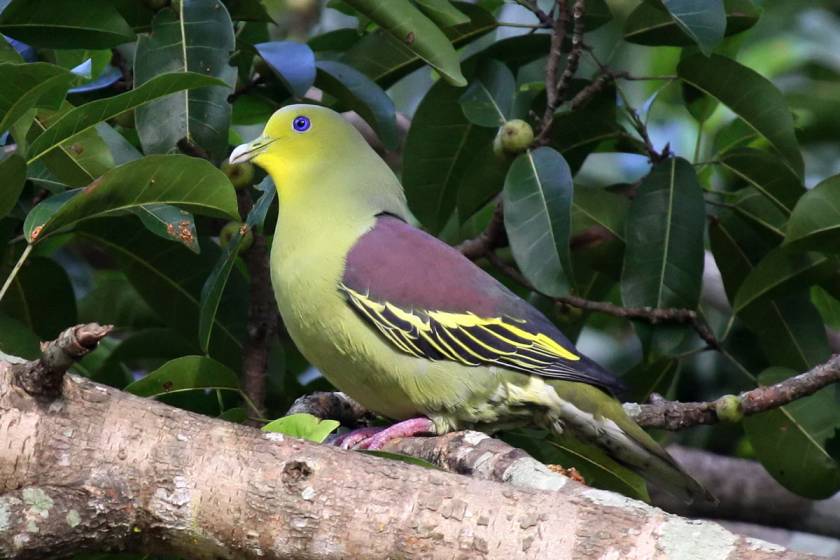
Sri Lanka Green-Pigeon
An arboreal fruit-eater inhabiting forest canopies and wooded gardens. Males feature a rich chestnut back contrasting with bright green head and underparts.
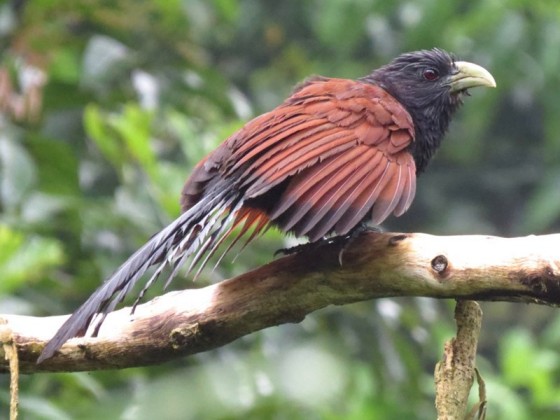
Green-billed Coucal
A rare, elusive forest-floor bird restricted to wet zone undergrowth. Distinguished by its unique pale greenish bill, rich chestnut wings, and deep purple-glossed body.
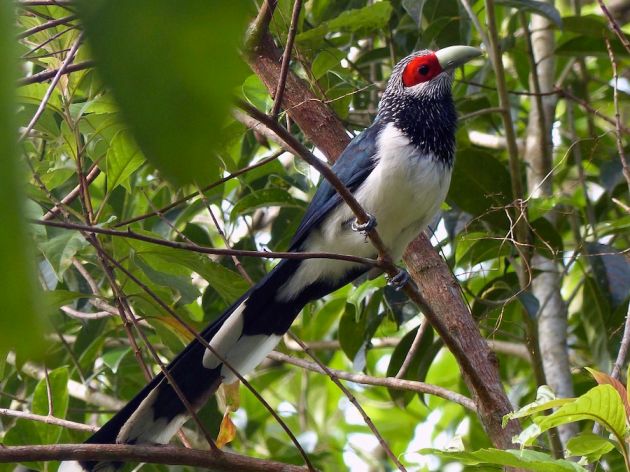
Red-faced Malkoha
A shy canopy cuckoo featuring a dramatic bare red facial skin mask, a long white-tipped dark tail, and a greenish-black body found in undisturbed rainforests.
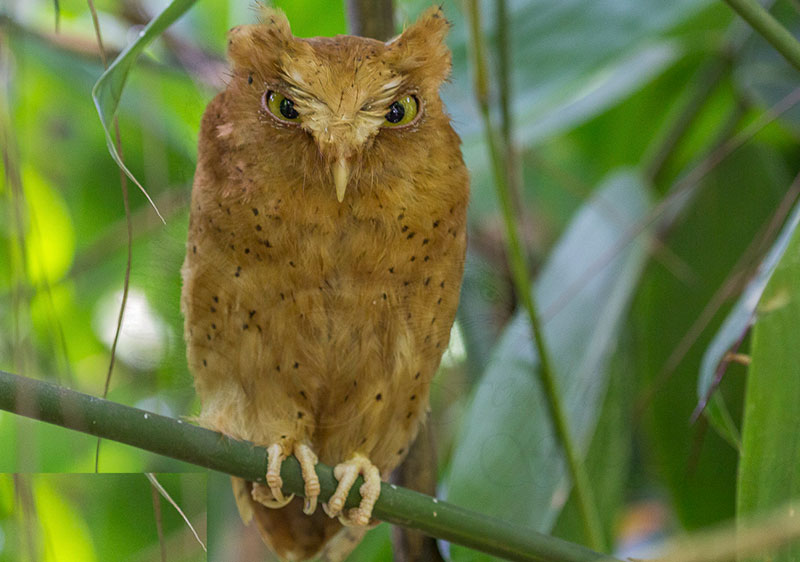
Serendib Scops-Owl
A tiny, critically endangered owl discovered in 2001. Inhabits lowland rainforests and is recognized by its rufous-brown plumage and distinct echoing whistle calls.
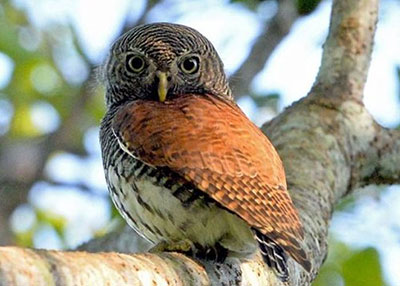
Chestnut-backed Owlet
A small, active diurnal owl of wet zone forests. Features a rich chestnut upper body, heavily barred underparts, and bright yellow eyes.
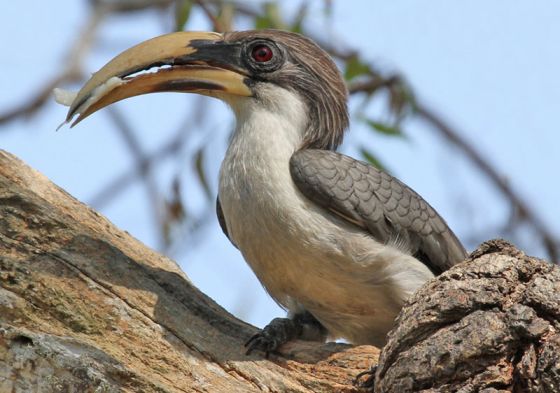
Sri Lanka Grey Hornbill
A noisy arboreal bird common in wet and intermediate zone forests. Recognizable by its curved pale bill and grey-brown plumage, feeding primarily on wild fruits.
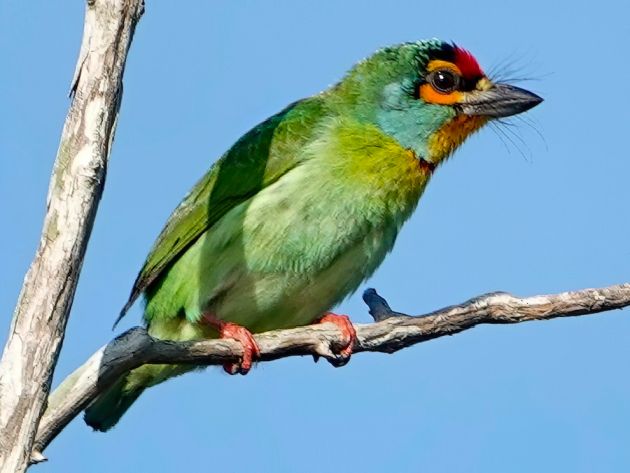
Crimson-fronted Barbet
A small green barbet featuring a bright red forehead and throat patch. Frequently encountered giving rhythmic robotic calls in wooded gardens and forest edges.
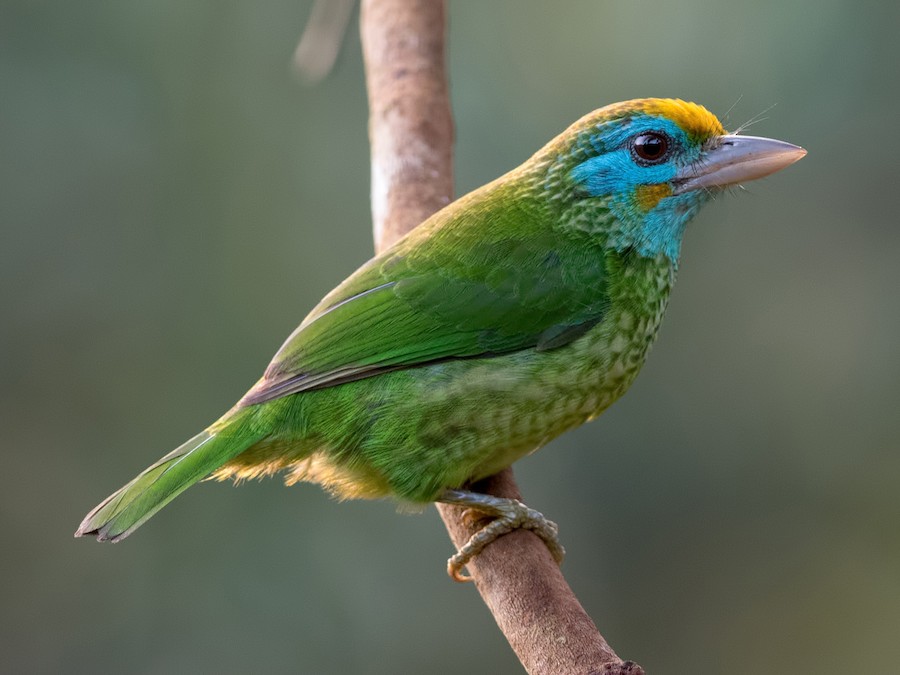
Yellow-fronted Barbet
A plump green barbet distinguished by its bright yellow face and forehead, blue throat, and orange eye patch. Common across moist woodlands and mid-elevation forests.
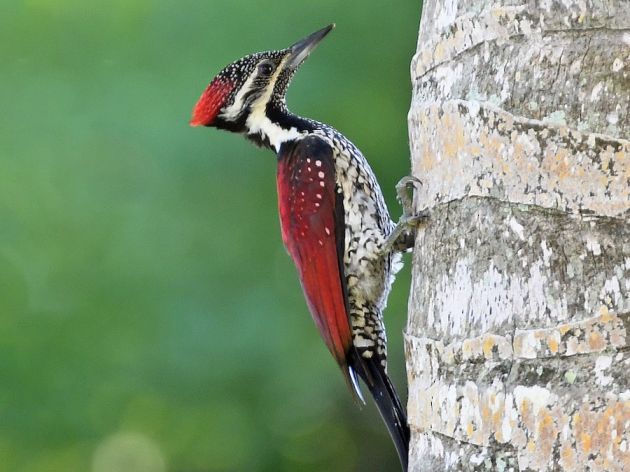
Crimson-backed Flameback
A striking woodpecker with vibrant crimson upperparts and a black-and-white striped face. Found drumming on forest trees across the wet and intermediate zones.
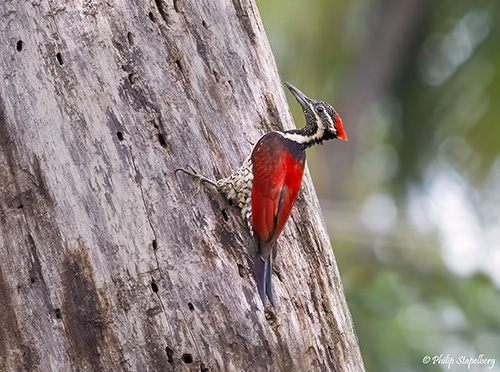
Red-backed Flameback
An energetic golden-backed woodpecker featuring fiery red upperparts, black underparts, and a red crest. Highly active across lowland forests and coconut estates.
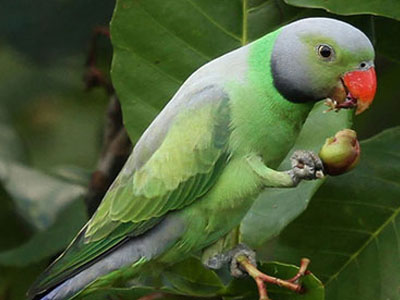
Layard's Parakeet
A striking green parakeet featuring a bluish-grey head divided by a black collar in males. They travel in small flocks across wet zone forests.
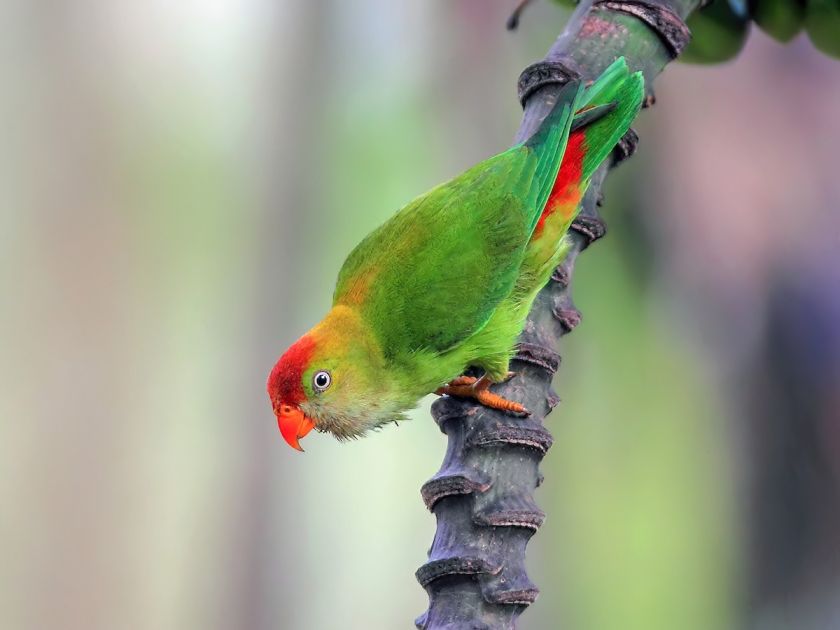
Sri Lanka Hanging Parrot
A tiny emerald-green parrot with an orange crown and beak. Famous for sleeping hanging completely upside-down like a bat among flowering trees.
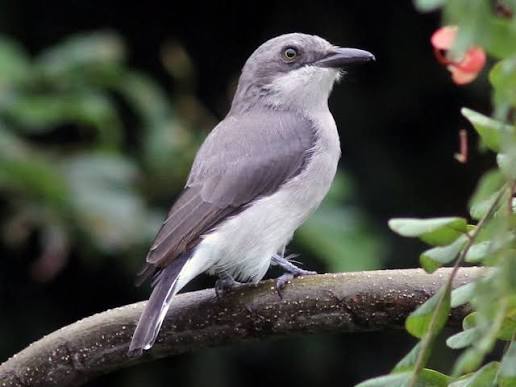
Sri Lanka Woodshrike
A small, brownish-grey woodland bird with pale underparts and a hooked bill. Usually forages in pairs or small groups through dry zone scrub forests.
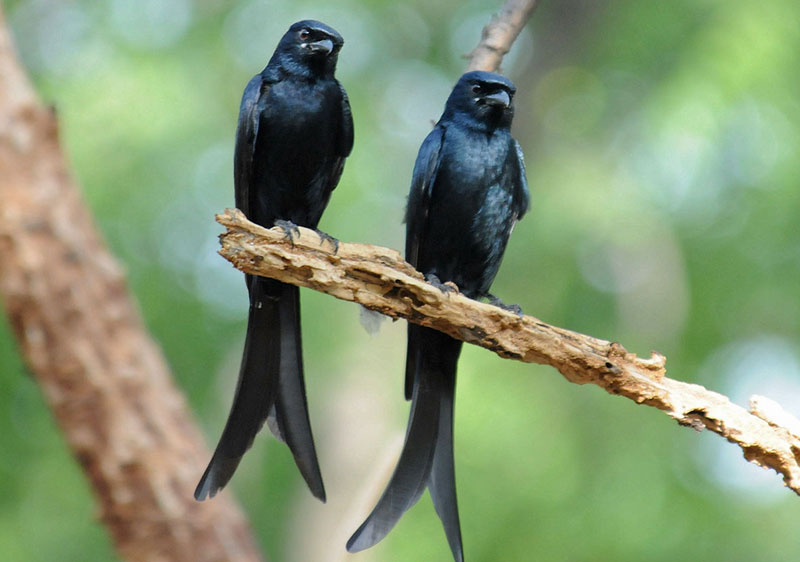
Sri Lanka Drongo
A glossy black forest drongo with an elongated, deeply forked tail and distinctive forehead tuft. Found primarily in wet zone lowland forests.
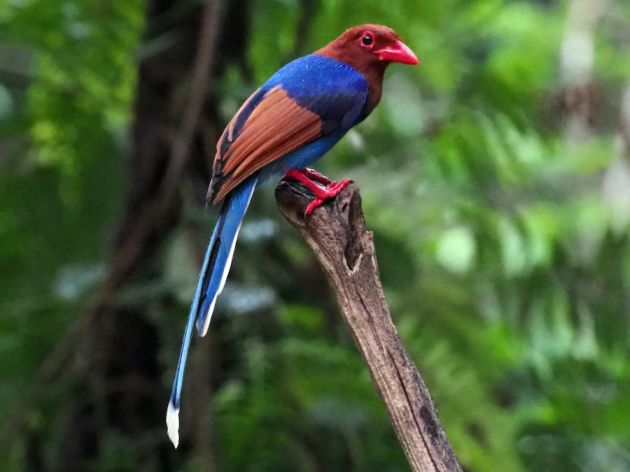
Sri Lanka Blue-Magpie
An exceptionally stunning bird featuring rich blue plumage, chestnut wings, a long graduated white-tipped tail, and bright red bill and legs.
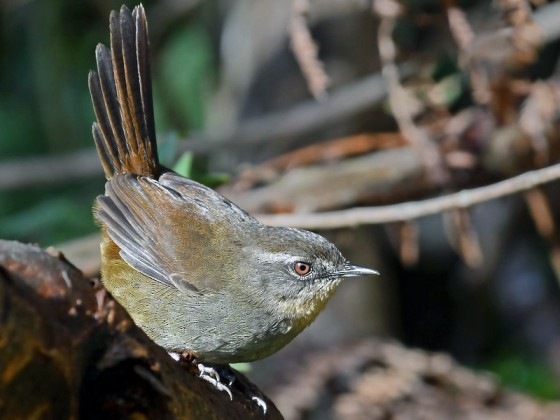
Sri Lanka Bush Warbler
A shy, olive-brown alpine warbler inhabiting thick undergrowth and patanas in the central highlands, known for its loud, explosive musical song.
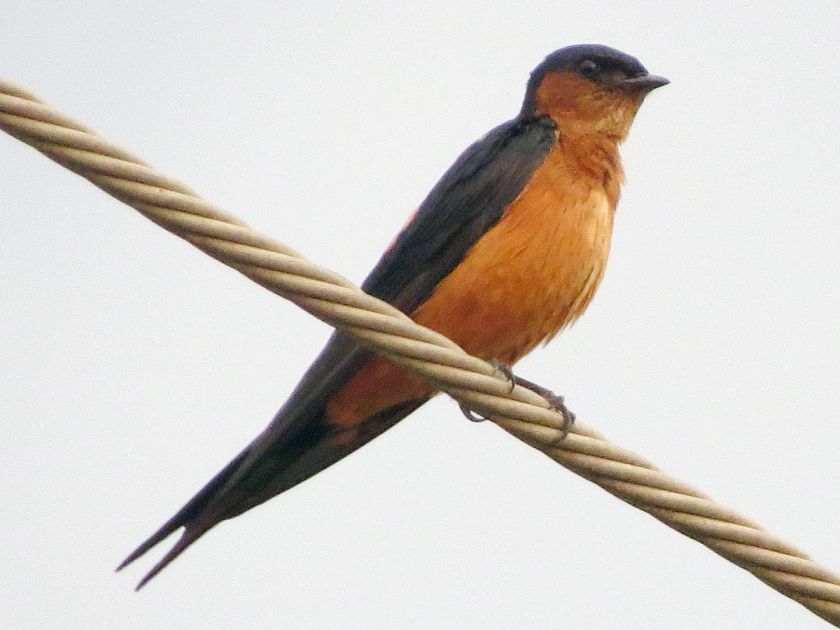
Sri Lanka Swallow
A graceful swallow with a chestnut underbody, deep blue cap, and a finely streaked rump. Builds mud retort nests under bridges and rock overhangs.
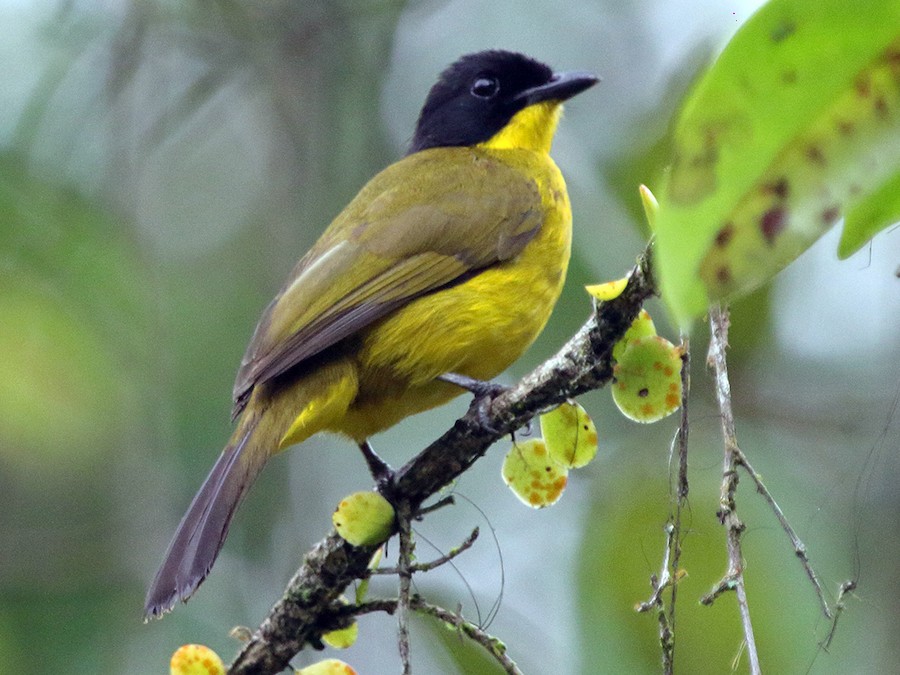
Black-capped Bulbul
A lively yellow-bodied songbird featuring a striking jet-black head and bright yellow crest. Found in scrub jungles and forest edges.
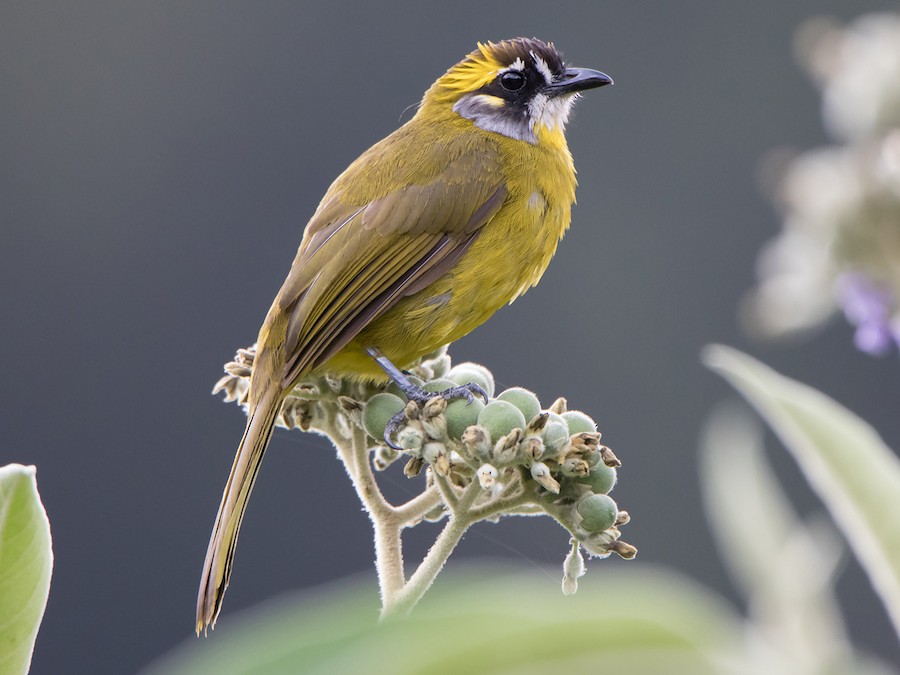
Yellow-eared Bulbul
An olive-green highland bulbul marked by distinct yellow ear tufts and a whitish throat. Common in Nuwara Eliya and Horton Plains forests.
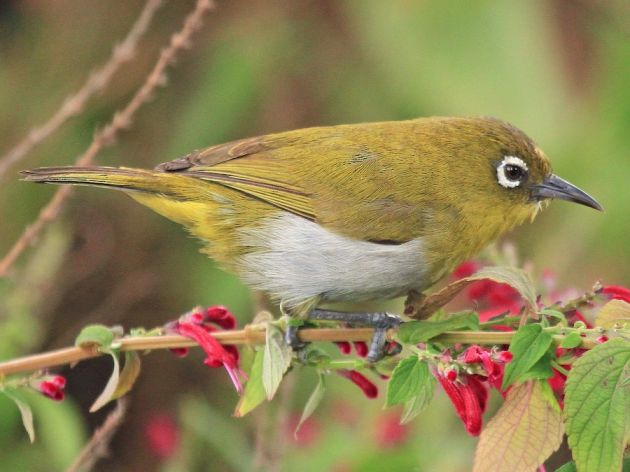
Sri Lanka White-eye
A tiny, active greenish-yellow bird with a prominent white eye-ring, frequenting highland tea estates, flower gardens, and montane canopies.
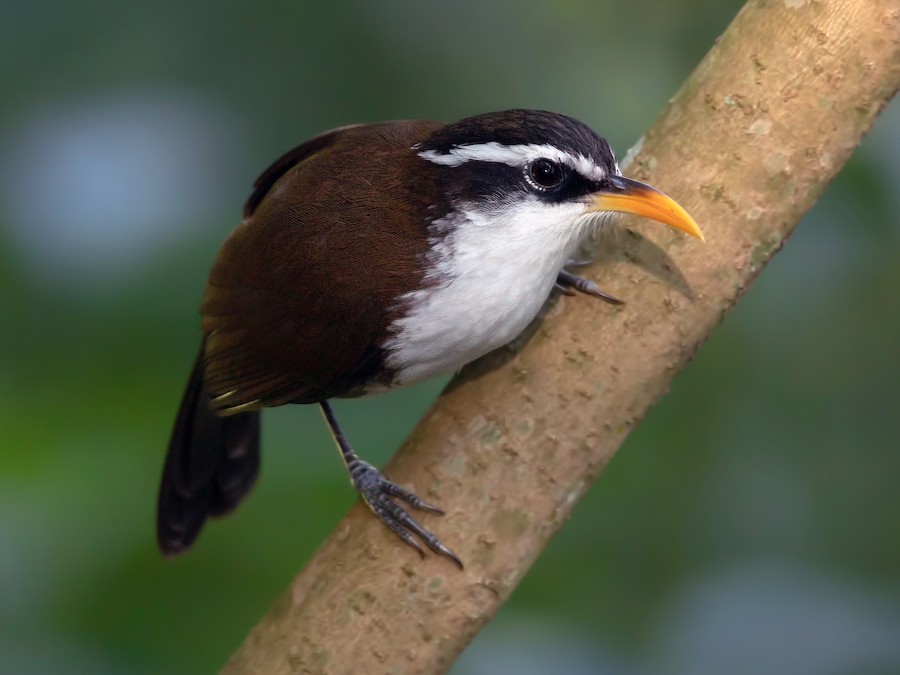
Sri Lanka Scimitar-Babbler
A forest babbler featuring a curved yellow bill, dark upperparts, and a white throat. Forages noisily through leaf litter in damp woodland zones.
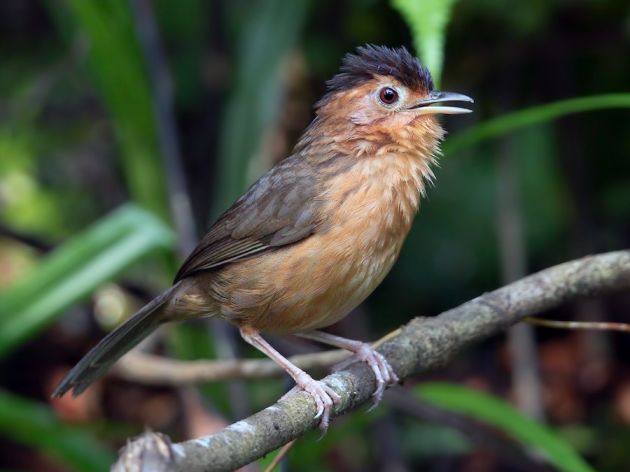
Brown-capped Babbler
A secretive ground-dwelling babbler with brown upperparts, streaked buff underparts, and a warm chestnut crown. Known for its rich, melodic whistle.
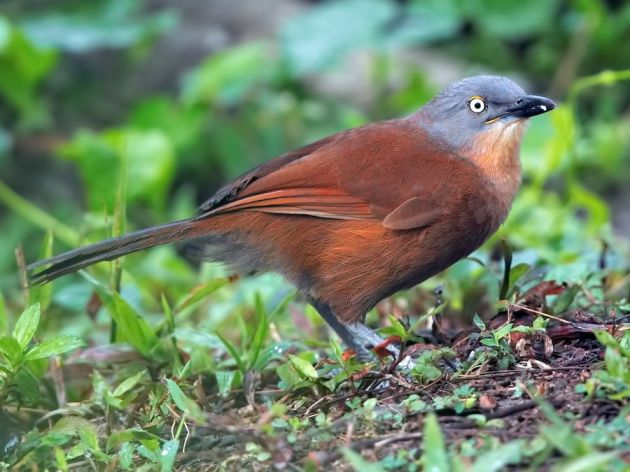
Ashy-headed Laughingthrush
A gregarious rainforest bird with grey plumage, chestnut underparts, and an ash-grey head. Moves through dense bamboo thickets in noisy family groups.
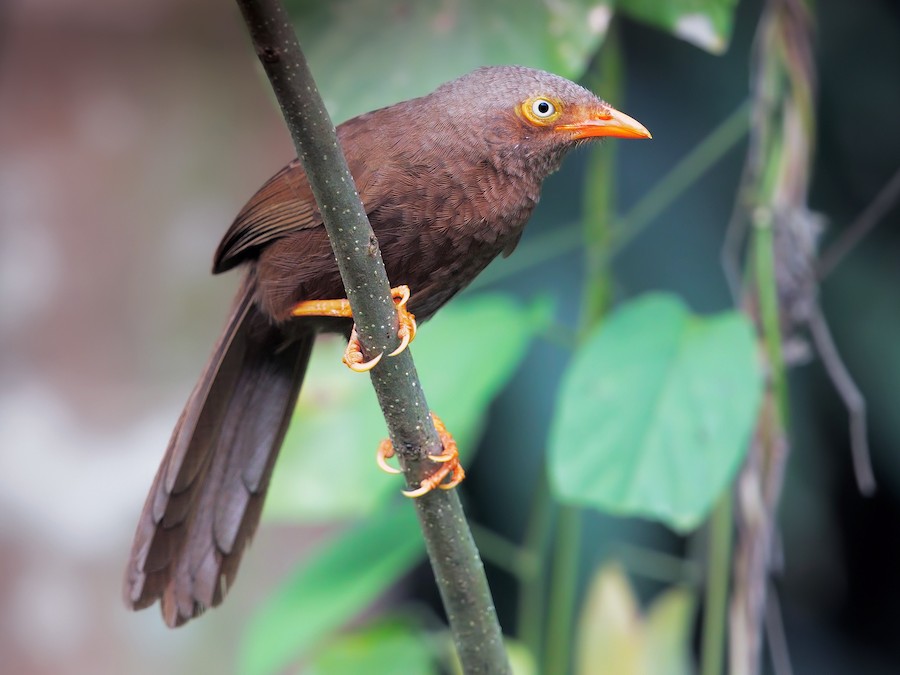
Sri Lanka Orange-billed Babbler
A sociable wet-zone babbler characterized by rich rufous-brown plumage and a bright orange-yellow bill. Highly active in noisy flocks through forest floors.
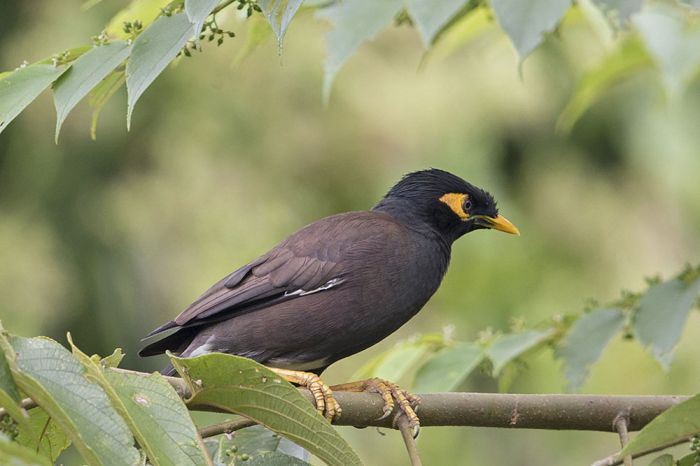
Sri Lanka Myna
A glossy black myna featuring bright yellow wattles on the side of its head, orange-yellow bill, and a white wing patch visible in flight.
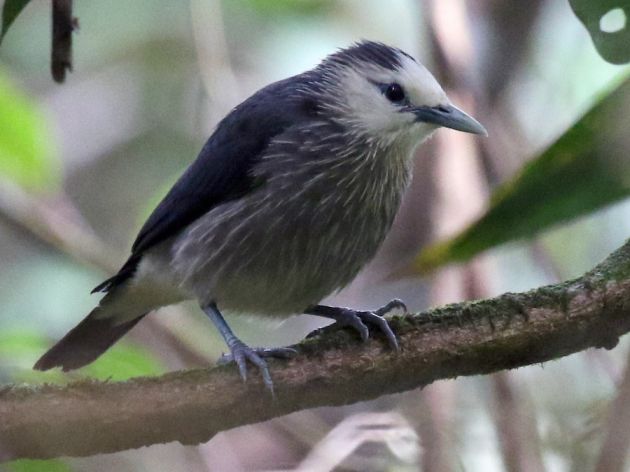
White-faced Starling
An endangered arboreal starling with glossy blue-black plumage, white face markings, and yellowish legs, found high in wet zone forest canopies.
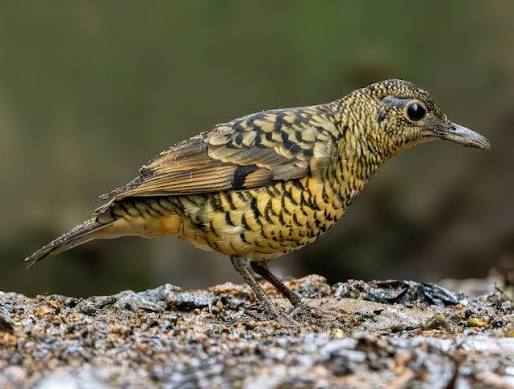
Sri Lanka Thrush
A cryptic, solitary ground-dwelling thrush with scale-patterned olive-brown upperparts and pale spotted underparts, inhabiting damp montane forests.
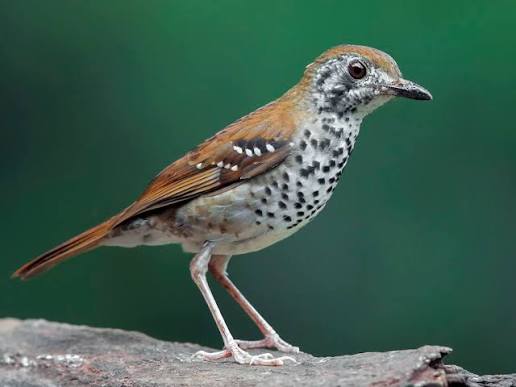
Spot-winged Thrush
A beautiful forest thrush featuring bold white wing bars, spotted black-and-white underparts, and an orange-brown head. Common in rainforest interiors.
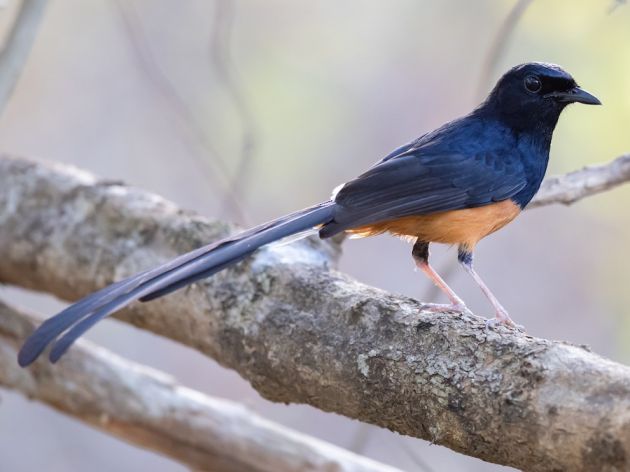
Sri Lanka Shama
A melodious songbird with glossy black upperparts and deep chestnut underparts in males. Known for its exceptional vocal mimicry in forest undergrowths.
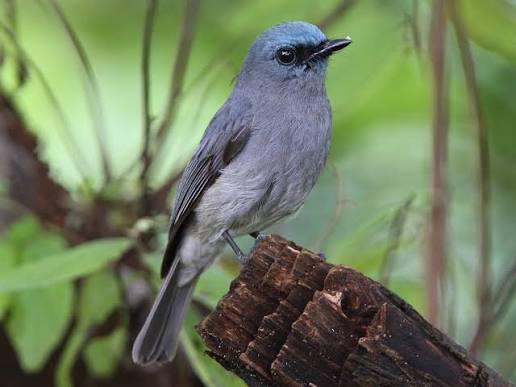
Dull-blue Flycatcher
A charming flycatcher endemic to the central highlands, displaying slate-blue plumage with a lighter blue forehead patch and dark eye-mask.
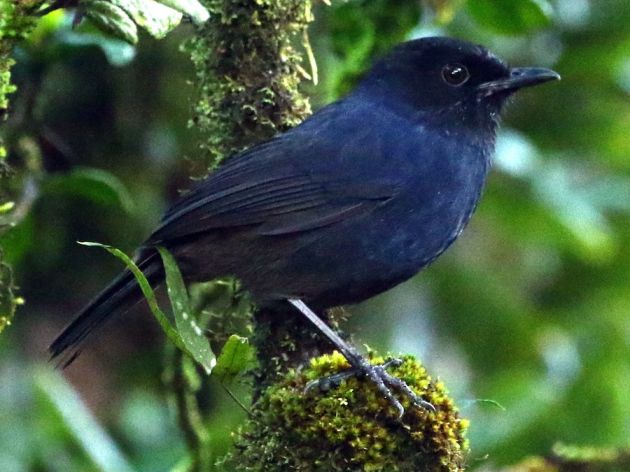
Sri Lanka Whistling-Thrush
A rare, dark violet-blue stream-dwelling thrush with glittering blue shoulder patches. Restricted to pristine montane streams around Horton Plains.
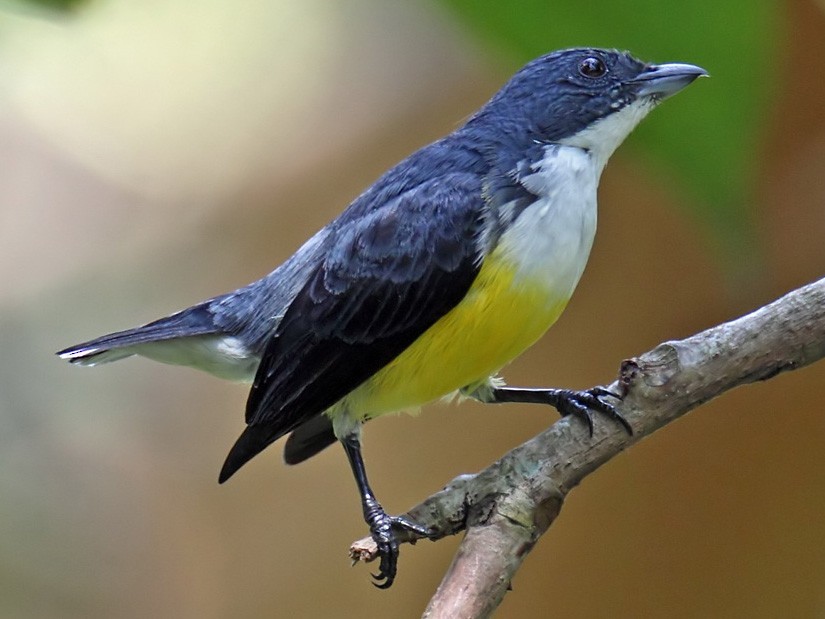
White-throated Flowerpecker
Sri Lanka's smallest endemic bird. Features a slate-blue upper body, bright red rump, and a stark white throat patch, feeding on mistletoe berries in tree canopies.
Top Forests & National Parks for Birdwatching in Sri Lanka
To experience these remarkable endemic and migratory species in their native environments, explore the island's most celebrated wildlife sanctuaries and rainforest reserves:
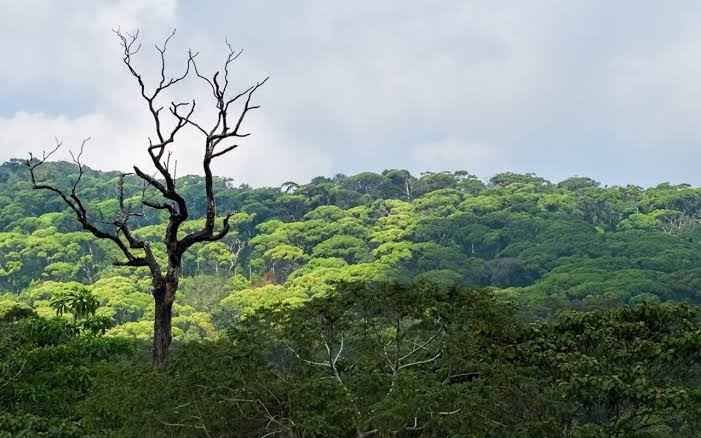
Sinharaja Forest Reserve
- Primary Rainforest: The island's last major tropical lowland jungle and top Endemic Bird Area.
- Mixed Flocks: Famous for canopy feeding flocks hosting rare endemics like the Blue-Magpie.
- Core Habitat: Home to over 20 exclusive Sri Lankan bird species in dense evergreen foliage.

Kitulgala Rainforest
- Accessible Trails: A scenic wet-zone forest along the Kelani River with easy birding paths.
- Specialist Birds: Excellent location to spot the Chestnut-backed Owlet and Spot-winged Thrush.
- Ideal Stopover: Conveniently located on the route between Colombo and the central highlands.
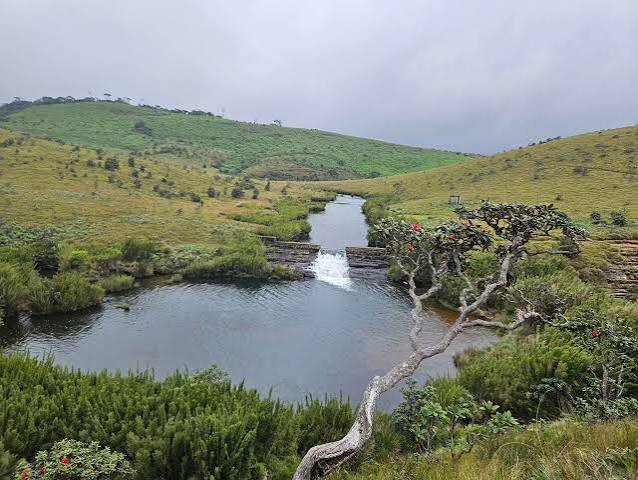
Horton Plains National Park
- High-Altitude Plateau: Misty cloud forests and patana grasslands at 2,100 meters elevation.
- Montane Species: Prime sanctuary for high-elevation birds like the Whistling-Thrush.
- Morning Excursions: Ideal early walks to observe the Dull-blue Flycatcher and Yellow-eared Bulbul.
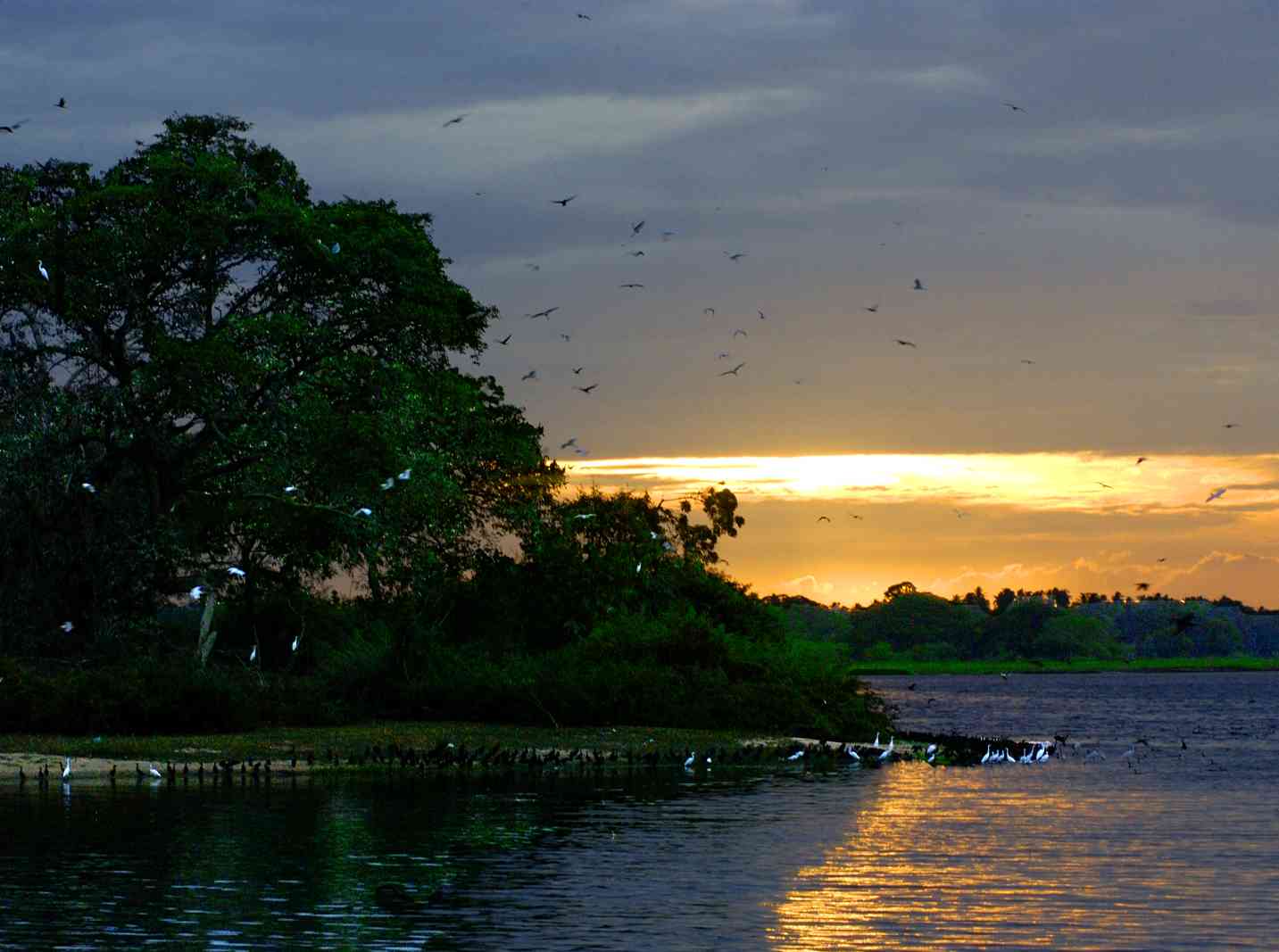
Bundala National Park
- Coastal Wetlands: Spans shallow lagoons, sand dunes, and arid thorn scrub.
- Migratory Terminal: A major wintering ground for water birds along the Central Asian Flyway.
- Abundant Fauna: Lagoons teem with greater flamingos, pelicans, and migrating shorebirds.
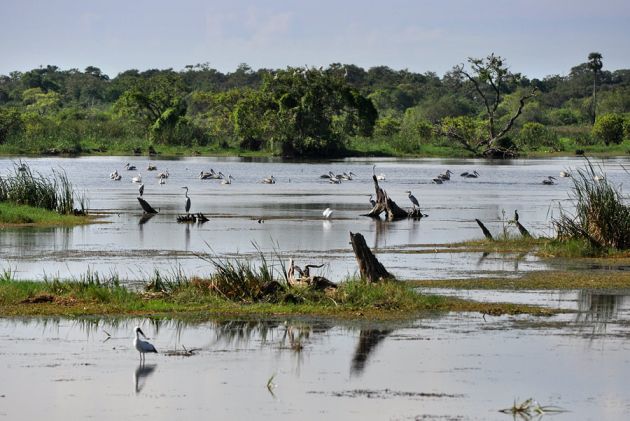
Kumana National Park
- Breeding Sanctuary: Renowned across Asia as a monumental nesting ground for water fowl.
- Kumana Villu: A 200-hectare mangrove swamp attracting massive flocks during monsoons.
- Photographic Haven: Perfect for viewing painted storks, spoonbills, and pelicans.
Sri Lanka is internationally recognized as a top-tier Endemic Bird Area (EBA), housing a remarkable variety of avian species found nowhere else on the planet. Ranging from dense wet-zone rainforests like Sinharaja to cool misty mountain elevations in Nuwara Eliya, these 35 unique birds form an essential part of the island's natural heritage.
Essential Tips for Your Birdwatching Tour
- Timing is Everything: Early mornings (from 6:00 AM to 10:00 AM) and late afternoons are the peak hours when birds are most active and vocal.
- Equip Yourself Properly: Bring a reliable pair of binoculars (8x42 recommended), a camera with a telephoto lens, and a field guidebook on Sri Lankan birds.
- Dress for the Rainforest: Wear neutral-colored, lightweight clothing, sturdy walking boots, and long trousers tucked into socks to protect against leeches in wet zones.
- Hire a Local Naturalist: Expert local guides know the distinct calls and hiding spots of elusive endemics, vastly increasing your sighting success.
- Maintain Quiet and Patience: Move slowly, avoid bright clothing, and keep noise to a minimum to observe natural behaviors without startling the wildlife.
Plan Your Custom Birdwatching Expedition with Sri Lanka Eden Travels
Experience the island's unique avifauna and breathtaking ecosystems firsthand. Let Sri Lanka Eden Travels craft a tailor-made wildlife itinerary, complete with expert local naturalist guides, comfortable private transport, and seamless access to Sinharaja, Horton Plains, and beyond.