

Galle Fort Sri Lanka: Complete Guide to History, Attractions & Things to See
Galle Fort Sri Lanka, located on the southwestern coast of Sri Lanka, is one of the island's most remarkable historic landmarks and the heart of the UNESCO-listed Old Town of Galle. Surrounded by massive stone ramparts and overlooking the Indian Ocean, the fort combines centuries of European colonial history with the architecture, traditions, and daily life of Sri Lanka.
First fortified by the Portuguese in the 16th century and extensively developed by the Dutch in the 17th century, Galle Fort has survived centuries of political and commercial change. Today, its atmospheric streets are filled with historic houses, churches, mosques, museums, boutique hotels, cafés, galleries, and small shops, making it one of the most rewarding places to explore on foot in southern Sri Lanka.
A Fort Shaped by Portuguese & Dutch History
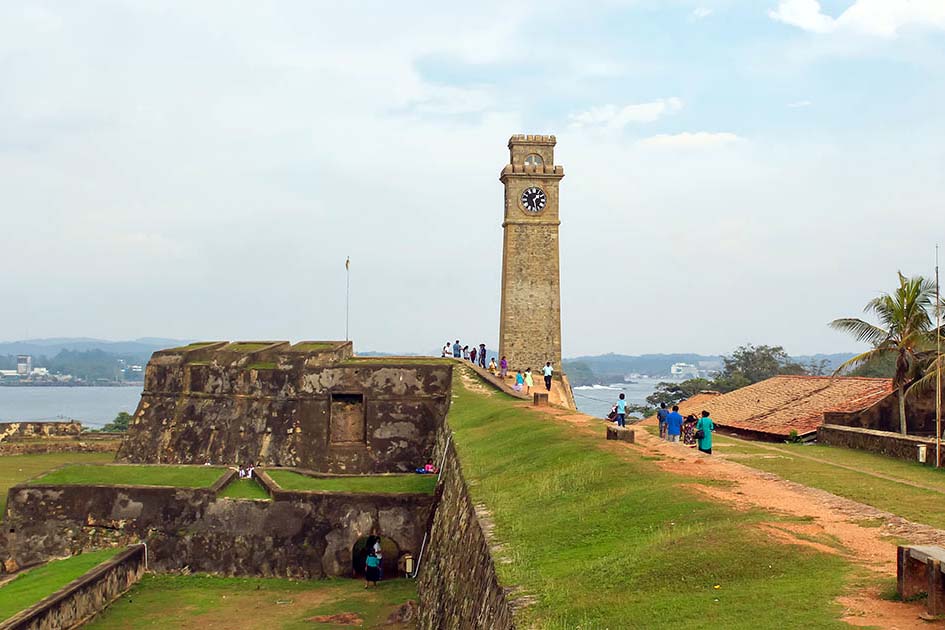
The history of Galle Fort reflects Sri Lanka's importance in the maritime trade routes of the Indian Ocean. The Portuguese established fortifications at Galle in the 16th century after taking control of the important natural harbour. In the 17th century, the Dutch captured Galle and greatly expanded the defensive walls, bastions, warehouses, churches, administrative buildings, and residential quarters. The British later took control of the fort in 1796 and adapted several buildings for their administration. This mixture of architectural influences remains visible throughout the Old Town today.
Key Highlights of Galle Fort
Walking through Galle Fort reveals a fascinating combination of colonial architecture, ocean scenery, religious buildings, historic streets, and modern Sri Lankan life:
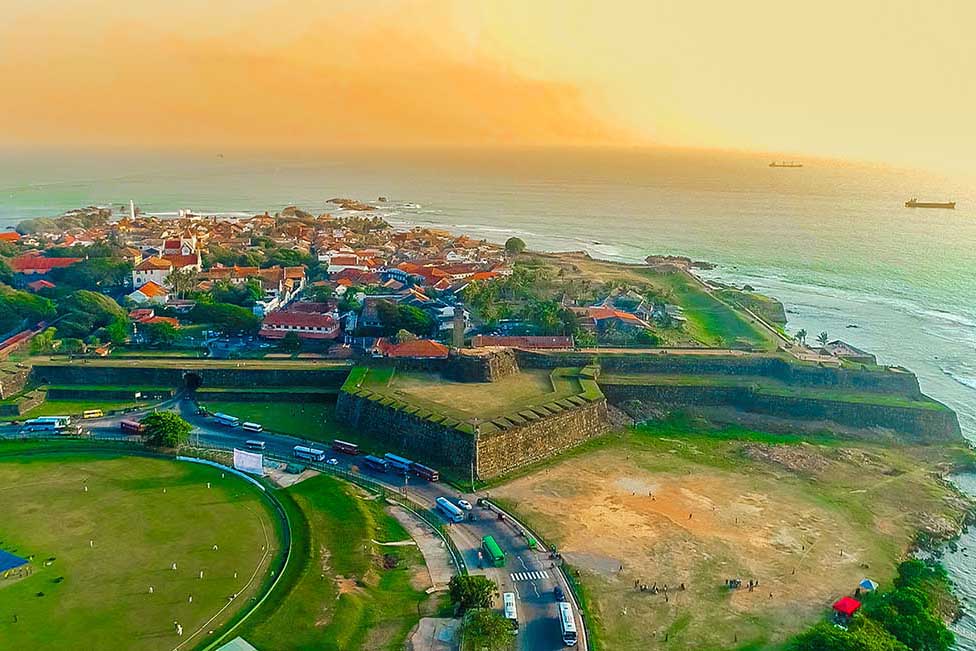
- Galle Fort Ramparts: Walk along the historic walls for spectacular views of the Indian Ocean, especially around sunrise and sunset. The ramparts connect several historic bastions and provide one of the best ways to understand the defensive design of the fort.
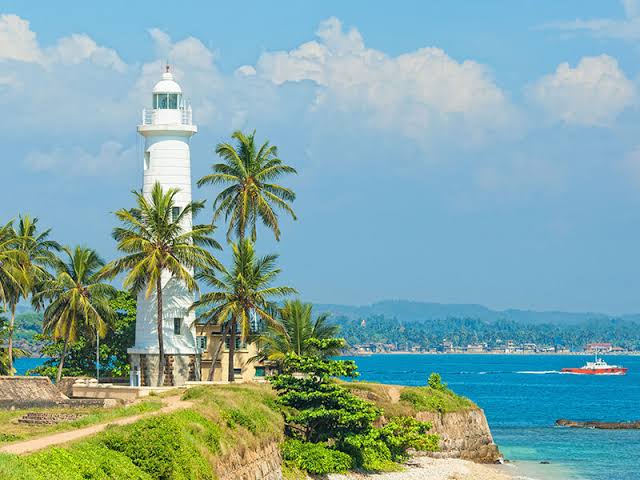
- Galle Lighthouse: Standing near the southeastern edge of the fort, the white lighthouse has become one of Galle's most recognizable landmarks. Its location beside the ocean makes it a favorite photography spot.
- Historic Streets & Colonial Buildings: Explore narrow streets lined with Dutch-period houses, courtyards, warehouses, churches, and beautifully restored buildings that preserve the atmosphere of the old trading settlement.
- Religious Heritage: The fort contains important places of worship representing the area's diverse history, including the Dutch Reformed Church and the historic Meeran Jumma Mosque.
- Boutiques, Cafés & Galleries: Many historic buildings have been carefully adapted into restaurants, cafés, art galleries, design shops, jewelry stores, and boutique accommodation while retaining their traditional character.
Best Time to Visit Galle Fort
Galle Fort can be visited throughout the year, but the time of day can make a significant difference to the experience. The fort is largely explored on foot, so avoiding the strongest midday heat is particularly useful for comfortable sightseeing and photography.
| Visit Time | Recommended Hours | Highlights & Experience |
|---|---|---|
| Early Morning | 6:30 AM – 9:00 AM | Cooler temperatures, quieter streets, soft morning light, and excellent conditions for walking and architectural photography. |
| Late Afternoon | 3:30 PM – 6:30 PM | A comfortable time to explore the streets, visit shops and cafés, walk along the ramparts, and enjoy the changing ocean light. |
| Sunset | Around Sunset | One of the most atmospheric moments at Galle Fort, with panoramic Indian Ocean views and golden light across the historic walls. |
What to See & Do Inside Galle Fort
A visit to Galle Fort is best enjoyed at a relaxed pace. Rather than treating it as a single monument, allow time to wander through the historic streets and discover its different layers of history.
- Walk the Fort Walls: Follow the ocean-facing ramparts between the historic bastions and enjoy uninterrupted views of the coastline and harbour.
- Visit the Dutch Reformed Church: Discover one of the fort's most important historic religious buildings and observe its distinctive colonial architecture and interior details.
- Explore the Old Streets: Walk through streets such as Church Street, Leyn Baan Street, and Pedlar Street to see historic façades, courtyards, cafés, galleries, and local businesses.
- Discover the Museums: Several museums and heritage spaces provide insight into Galle's maritime, colonial, and cultural history.
- Enjoy Local Food: Stop at a traditional restaurant, café, or contemporary dining venue to experience Sri Lankan flavors alongside the fort's historic atmosphere.
Architecture & Cultural Heritage of Galle Fort
The architectural character of Galle Fort is one of the main reasons it remains such an important heritage destination. European military planning was adapted to Sri Lanka's tropical environment, while local craftsmanship, materials, traditions, and later architectural changes created a distinctive urban landscape.
Visitors can see thick coral and stone walls, arched doorways, timber details, internal courtyards, verandas, warehouses, churches, administrative buildings, and traditional homes. The result is a living historic district rather than a preserved monument isolated from everyday life.
UNESCO World Heritage Significance
The Old Town of Galle and its Fortifications was inscribed on the UNESCO World Heritage List in 1988. The site is recognized for its historic fortifications and urban landscape, which demonstrate the interaction between European architectural traditions and South Asian cultural influences over several centuries.
Galle Fort Walking & Photography Guide
Galle Fort is particularly rewarding for travelers interested in photography. The combination of old walls, tropical vegetation, colonial façades, narrow streets, and the Indian Ocean creates a wide variety of scenes within a relatively compact area.
- For sunrise: Head toward the eastern and southeastern ramparts for softer light and a peaceful atmosphere.
- For sunset: The western ramparts offer beautiful ocean views and changing colors over the water.
- For architecture: Explore the quieter streets away from the busiest visitor areas and look for doors, windows, courtyards, arches, and traditional roof details.
- For street photography: Early morning provides a calmer environment before the streets become busier.
- For comfortable walking: Wear comfortable footwear because many areas are best explored on foot and some surfaces are uneven.
Responsible Heritage Tourism Guidelines
- Respect Historic Buildings: Avoid climbing on walls, touching fragile structures, or entering restricted areas.
- Respect Places of Worship: Dress appropriately and follow local customs when visiting churches, mosques, temples, or other religious sites.
- Support Local Businesses: Choosing locally owned cafés, restaurants, artisans, galleries, and shops helps contribute to the living heritage of the fort.
- Keep the Fort Clean: Carry reusable water bottles where possible and dispose of waste responsibly.
- Respect Residents: Galle Fort remains a living neighborhood. Be considerate when photographing homes, residents, and local activities.
Explore Galle Fort with Sri Lanka Eden Travels
Discover the history and atmosphere of Galle Fort with Sri Lanka Eden Travels. We can include Galle Fort in tailor-made Sri Lanka journeys combining the southern coast with destinations such as Colombo, Bentota, Mirissa, Yala, Ella, and the Cultural Triangle, creating a balanced itinerary around your interests and travel schedule.