

Ritigala Sanctuary: Ancient Forest Monastery & Trekking Guide
Rising like a colossal fortress of stone and emerald jungle from the sun-drenched plains of Sri Lanka’s North Central Province, the Ritigala Sanctuary is an ancient forested mountain steeped in mythology, royal intrigue, and ascetic spirituality. Soaring to 766 meters (2,513 feet) above sea level, it stands as the highest elevation point across the entire northern dry zone—taller than Sigiriya, Dambulla, and Mihintale combined.
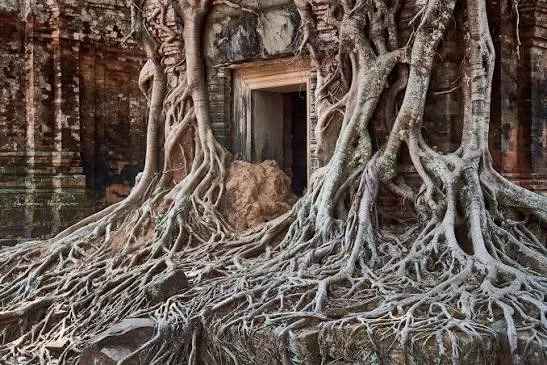
Protected as a Strict Nature Reserve since 1941, the Ritigala Sanctuary conceals the extensive ruins of an austere 9th-century Buddhist hermitage once inhabited by the ascetic Pansakulika monks ("the rag-robed wearers"). Shrouded in perpetual forest shade, colossal strangler figs, and natural herbal mists, trekking through the Ritigala Forest Monastery feels like stepping straight into an untamed archaeological expedition far removed from conventional tourist trails.

The Ramayana Legend & The Cloud-Forest Microclimate
According to the epic Ramayana, when Prince Lakshmana was gravely wounded on the battlefield, the monkey god Hanuman was dispatched to the Himalayas to gather healing herbs. Unable to identify the exact plant, Hanuman cleaved off an entire chunk of Mount Dronagiri and carried it through the skies. As he flew over Lanka, a fragment slipped from his grasp and crashed to earth—forming Mount Ritigala. Remarkably, the mountain’s summit features a rare, wet-zone cloud-forest ecosystem officially protected by the Department of Archaeology, sustaining montane medicinal flora found nowhere else in the dry zone plains.
Ritigala Sanctuary Architectural Marvels: The World of the Ascetics
The monastic ruins at Ritigala are radically unique. Unlike the grand stupas and ornate Buddha statues of Anuradhapura or Polonnaruwa, the architecture here reflects extreme monastic discipline, known as Spartan minimalism:
- Banda Pokuna (The Great Bathing Reservoir): Just beyond the forest entrance, visitors encounter a colossal stone-walled reservoir with descending tiered stairways. Pilgrims and visitors in ancient times used this immense pool for ceremonial ablution and purification before setting foot on the sacred monastic grounds.
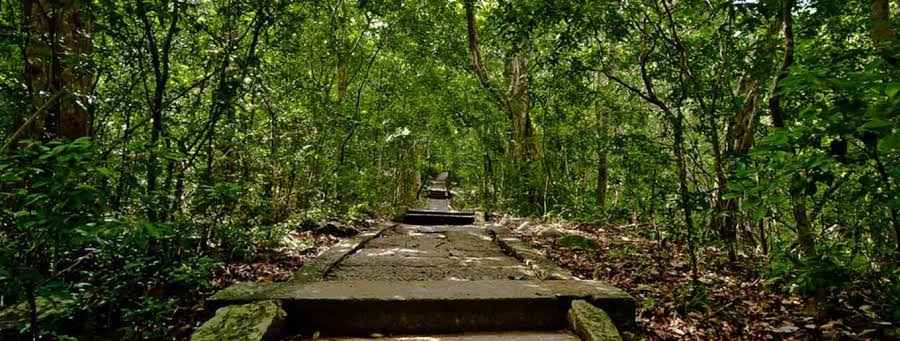
- The Paved Stone Walkways & Roundabouts: A meticulously constructed ceremonial stone path snakes over 1.5 kilometers up the mountainside. Crafted with interlocking granite blocks and flanked by circular stone platforms (ancient resting rotunda stops), the pathway creates a tranquil corridor beneath towering forest canopies.
- Double Platforms (Padhanaghara): Built as pairs connected by single monolithic stone bridges, these sunken courtyards were designed specifically for deep vipassana meditation. Built over natural rock formations, the outer pavilions were open to cooling breezes while inner sanctums offered shaded seclusion.
- Ayurvedic Hospital & Herbal Baths: Deeper within the ruins lie ancient medicinal quarters featuring stone herbal baths (beheth oru), grinding stones, and drainage channels where monks treated ailing ascetics using forest remedies.
Visiting Ritigala Sanctuary: Distance & Travel Logistics
The Ritigala Sanctuary is conveniently situated at the center of the Cultural Triangle, making it an exceptional morning excursion from major nearby bases:
| Hub / Base Town | Approx. Distance & Time | Traveler Combination Route |
|---|---|---|
| Habarana | ~20 km (30 minutes drive) | Best base for early morning tours. Can be combined with an afternoon Minneriya / Kaudulla elephant safari. |
| Sigiriya & Dambulla | ~38 km (45–50 minutes drive) | Ideal contrast to the high crowds of Sigiriya Rock Fortress. Provides a peaceful, shady wilderness walk. |
| Anuradhapura | ~43 km (50 minutes drive) | Direct day-trip route via the A11 and Maradankadawala-Habarana highway toward the sacred ancient capital. |
Ritigala Sanctuary Trekking Experience: What to Expect on the Trail
Exploring the open archaeological sector of the Ritigala Sanctuary takes roughly 2 to 2.5 hours at a comfortable walking pace:
- Trail Conditions: The path is shaded beneath deep jungle canopy, keeping it significantly cooler than the surrounding lowlands. However, expect gradual inclines over stone steps, exposed tree roots, and occasional slippery rock slabs.
- Atmosphere of Solitude: Ritigala receives a fraction of the visitor footfall seen at Sigiriya. The quiet is broken only by the chirping of endemic birds, rustling toque macaques, and the gentle wind through ancient ironwood trees.
- Strict Nature Reserve Rules: Only the designated archaeological zone is open to the public. Venturing off the trail into the core reserve is strictly prohibited to safeguard endangered wildlife, including wild elephants, leopards, and sloth bears.
Essential Visitor Guidelines & Practical Tips
- Opening Hours & Ticketing: The archaeological office and entrance gate are open daily from 7:00 AM to 5:00 PM. Entry tickets can be purchased at the gate (carry cash in LKR, as card machines may experience signal drops).
- Footwear & Clothing: Wear closed-toe hiking shoes or sturdy sneakers with good grip. Light, breathable cotton clothing is recommended. While not an active Buddhist temple, modest attire covering shoulders and knees is appreciated out of respect for the monastery's sacred history.
- Hydration & Refreshments: There are no shops or food stalls inside the forest sanctuary. Carry sufficient drinking water in reusable bottles (single-use plastic polythene is strongly discouraged).
- Certified On-Site Guides: Hiring an authorized local archaeological guide at the entrance counter is highly recommended to unlock the rich historical tales, architectural secrets, and herbal legends hidden within the stones.
Discover Hidden Cultural Triangle Treasures with Eden Travels
Step off the beaten tourist trail and uncover the mysterious beauty of the Ritigala Sanctuary with Sri Lanka Eden Travels. Our curated cultural itineraries feature private chauffeured vehicles, licensed expert storytellers, and boutique forest stays across the Cultural Triangle.