


Sri Lanka Currency Guide: Money Exchange, ATMs, Cards & Travel Tips
The official currency of Sri Lanka is the Sri Lankan Rupee, commonly abbreviated as LKR or denoted by the symbol Rs. Navigating money matters smoothly is an essential part of preparing for an unforgettable holiday on the island. While credit and debit cards are widely accepted at star-class hotels, modern supermarkets, and boutique resorts, carrying local cash remains indispensable for street-side tea stalls, tuk-tuk rides, local markets, and rural adventures.
Whether you plan to exchange foreign bank notes upon arrival, withdraw rupees directly from local automated teller machines (ATMs), or utilize digital cards, this practical guide walks you through everything you need to know about payments, banking hours, and currency regulations in Sri Lanka.
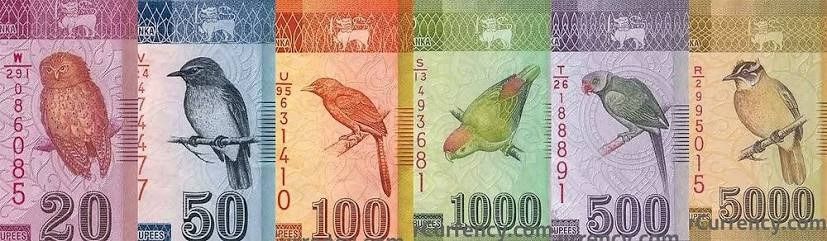
Understanding Sri Lankan Banknotes & Coins
Sri Lankan currency notes are celebrated for their colorful, artistic representations of the island’s rich heritage, endemic fauna, and traditional dancers:
- Common Banknotes: In circulation you will encounter denominations of Rs 20, Rs 50, Rs 100, Rs 500, Rs 1,000, and Rs 5,000. The Rs 5,000 note is the largest denomination and is convenient for larger payments, while smaller notes (Rs 100 and Rs 500) are ideal for tipping and daily small purchases.
- Coins: Commonly minted in denominations of Rs 1, Rs 2, Rs 5, and Rs 10. While useful for exact change, you will primarily use paper notes during your travels.
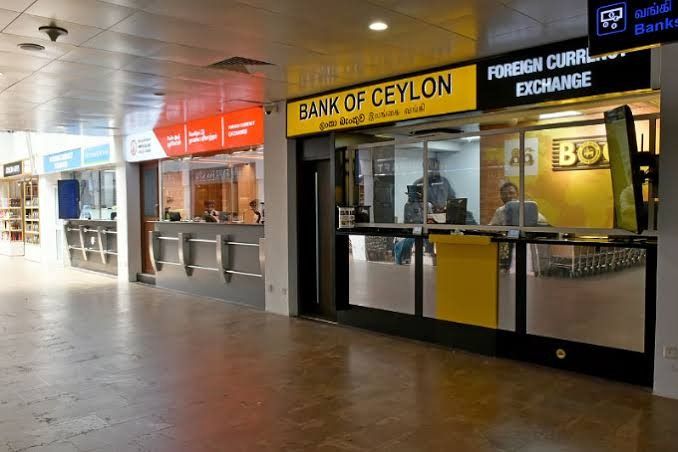
Where to Exchange Foreign Currency in Sri Lanka
Major international currencies—including US Dollars (USD), Euros (EUR), British Pounds (GBP), and Australian Dollars (AUD)—can be exchanged easily throughout the island:
1. Bandaranaike International Airport (BIA, Colombo)
Most ConvenientLocated immediately after the customs baggage clearance hall, multiple commercial bank counters (Bank of Ceylon, Commercial Bank, Sampath Bank, People’s Bank) operate 24 hours a day, 7 days a week. Unlike many global airports, exchange rates offered by licensed bank counters at Colombo airport are closely pegged to official daily bank rates, making it an excellent spot to change your initial travel funds.
2. Commercial Bank Branches
Safe & NationwideReputable commercial banks (such as Commercial Bank of Ceylon, Hatton National Bank, Sampath Bank, and Nations Trust Bank) are found in every town and tourist center across Sri Lanka. Standard banking hours are typically Monday to Friday from 9:00 AM to 3:00 PM, with select supermarket branches open over weekends.
3. Central Bank Licensed Money Changers
Competitive RatesAuthorized exchange bureaus in Colombo (such as Fort and Kollupitiya), Kandy, and major beach hubs offer competitive exchange rates. Ensure you always visit officially licensed exchange kiosks and retain your printed receipt.
Important Note on Foreign Banknotes
When bringing foreign currency notes (especially US Dollars) to exchange in Sri Lanka, ensure your bills are clean, crisp, and undamaged without tears, heavy creases, or ink stamps. Notes printed after 2013 are widely preferred, as damaged or older bills may be declined by local bank counters.
Cash vs. Card: What to Use and When
To enjoy a seamless journey, balancing cash with digital payments is the ideal approach:
| Payment Method | Accepted Venues | Practical Traveler Tips |
|---|---|---|
| Credit & Debit Cards (Visa / Mastercard) | Hotels, Luxury Resorts, Fine Dining & Supermarkets | Chip-and-PIN and contactless cards work seamlessly. American Express is accepted in major international hotel chains, while Diners Club is less common. |
| Cash (Sri Lankan Rupees) | Tuk-tuks, Roadside Fruit Stalls, Village Cafes & Tips | Keep a supply of smaller denominations (Rs 100, 500) handy in your day pack, as small vendors frequently lack change for Rs 5,000 notes. |
| Direct ATM Withdrawals | Town Centers, Transit Hubs & Tourist Enclaves | ATMs affiliated with Cirrus, Plus, Visa, and Mastercard operate 24/7 across the island. Commercial Bank and Sampath Bank ATMs are renowned for high international card compatibility. |

Traveler Tip: Notify Your Home Bank Before Traveling
Before boarding your flight to Sri Lanka, inform your home bank or credit card provider that you will be traveling overseas. Unannounced transactions from South Asia can trigger automated anti-fraud security freezes on foreign cards. Additionally, check your bank’s international ATM withdrawal policies to understand their standard foreign exchange margins.
Customs Currency Regulations & Tipping Guidelines
- Currency Import & Declaration: You can bring foreign currency into Sri Lanka freely. However, amounts exceeding the equivalent of 10,000 to 15,000 USD must be formally declared to Sri Lanka Customs upon arrival if you intend to take remaining funds back out.
- Tipping Etiquette: Tipping is deeply appreciated across the island’s hospitality community. Most high-end restaurants and hotels automatically add a 10% service charge to the final bill, but leaving an extra discretionary tip for attentive waiters, luggage porters, safari jeep trackers, and private chauffeur-guides is customary for great service.
- Re-converting Unused Rupees: Since the Sri Lankan Rupee is a closed currency not widely traded outside the island, remember to re-convert any leftover large rupee balances back into your home currency (or major currency like USD or EUR) at the airport departure bank counters before checking in for your flight home. Keep your original exchange receipts to facilitate smooth reconversion.

Travel with Total Peace of Mind with Sri Lanka Eden Travels
When you explore Sri Lanka on a private guided journey with Sri Lanka Eden Travels, you never have to worry about finding the nearest reputable exchange office or navigating transport payments. Your dedicated private chauffeur-guide handles smooth route logistics and assists you at official bank counters whenever needed, leaving you free to immerse yourself in the wonders of the island.