

Languages of Sri Lanka: A Traveler’s Guide to Sinhala, Tamil & English
Sri Lanka’s linguistic landscape is as rich and layered as its 2,500-year history. Situated at the maritime crossroads of the Indian Ocean, the island has been an ancient emporium for merchants, explorers, and pilgrims. This vibrant confluence has fostered a multicultural society where two ancient classical tongues coexist harmoniously alongside international languages, maritime creoles, and regional dialects.
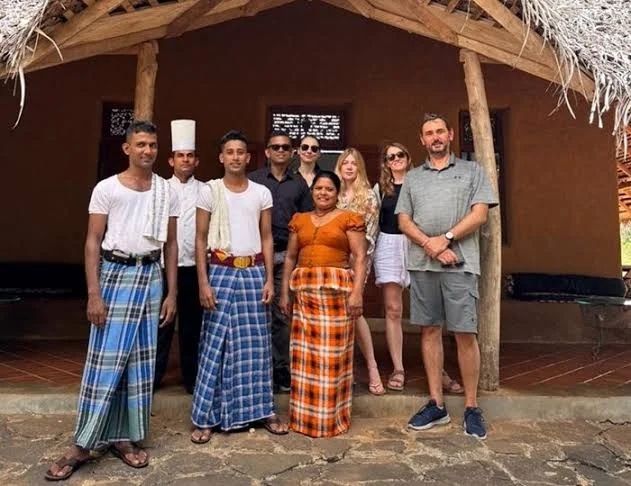
For travelers visiting the island, navigating the local linguistic fabric is delightfully easy. While Sinhala and Tamil are the two official national languages, English is widely spoken and understood across the tourism and hospitality sectors, bustling urban hubs, boutique hotels, and national parks, ensuring seamless communication wherever your adventure takes you.
The Primary Languages of Sri Lanka
Understanding the country’s linguistic foundations enriches your cultural appreciation as you journey across different provinces:
Sinhala (සිංහල)
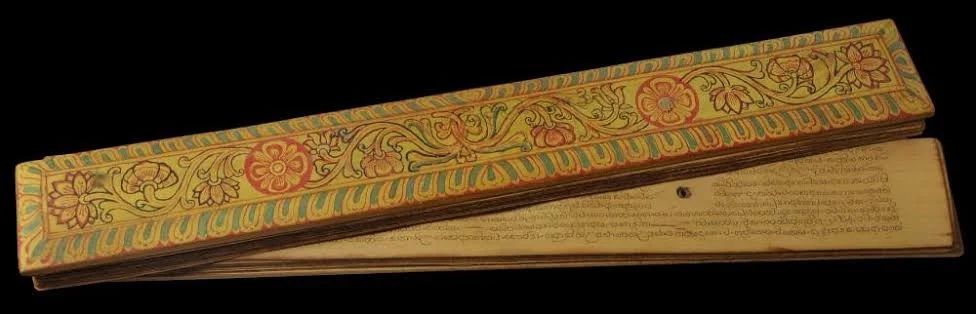
~75% of PopulationBelonging to the Indo-Aryan branch of the Indo-European language family, Sinhala is the native mother tongue of the Sinhalese people. Evolving over two millennia from ancient Prakrit and Pali (the sacred language of Theravada Buddhism), it features a uniquely curved, circular script originally carved on fragile palm leaves (ola leaves). Sinhala is predominantly spoken across the southern, western, central, and north-central provinces.
Tamil (தமிழ்)
~25% of PopulationTamil is one of the world’s oldest continuously surviving classical languages, boasting an acclaimed literary heritage exceeding 2,000 years. As a member of the Dravidian language family, it is spoken natively by Sri Lankan Tamils, Up-Country Tamils across the central tea estates, and Sri Lankan Moors (Muslim community). Tamil is the predominant language across the Northern and Eastern provinces, including Jaffna, Trincomalee, and Batticaloa.
English: The Island’s "Link Language"
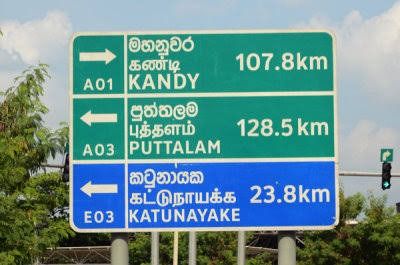
Widely SpokenConstitutionally designated as the "Link Language," English plays a paramount role in commerce, higher education, air travel, and hospitality. All major road signage, railway stations, airport announcements, and restaurant menus across Sri Lanka are displayed trilingually in Sinhala, Tamil, and English, making independent travel remarkably smooth and intuitive.
The Universal Greeting: "Ayubowan" & "Vanakkam"
No matter which part of the island you explore, you will be warmly greeted with palms pressed gently together in front of the chest. In Sinhala, the iconic greeting is "Ayubowan" (ආයුබෝවන්), translating beautifully to "May you be blessed with a long and healthy life." In Tamil-speaking areas, the heartfelt equivalent is "Vanakkam" (வணக்கம்). Using these greetings will instantly bring genuine smiles from locals!
Handy Travel Phrasebook for Visitors
While English is prevalent in tourism, speaking a few polite phrases in the local language is a wonderful way to connect with warm-hearted Sri Lankan people:
| English Meaning | Sinhala (Phonetic) | Tamil (Phonetic) |
|---|---|---|
| Hello / Greetings | Ayubowan (ආයුබෝවන්) | Vanakkam (வணக்கம்) |
| Thank You very much | Bohoma Isthuthi (බොහෝම ස්තූතියි) | Mikka Nandri (மிக்க நன்றி) |
| Please | Karunakara (කරුණාකර) | Thayavu Seithu (தயவு செய்து) |
| How much is this? | Meka keeyada? (මේක කීයද?) | Ithu evvalavu? (இது எவ்வளவு?) |
| Delicious / Very tasty! | Harima rasai! (හරිම රසයි!) | Romba rusiyaga irukku! (ரொம்ப ருசியாக இருக்கு!) |
| Yes / No | Ow (ඔව්) / Nahe (නැහැ) | Aam (ஆம்) / Illai (இல்லை) |
Minority Languages & Maritime Creoles
In addition to the primary tongues, the island cradles fascinating linguistic gems born from centuries of trade and colonial encounters:
Sri Lankan Malay & Portuguese Burgher Creole
Living HeritageSri Lankan Creole Malay: Spoken by descendants of Malay regiments, soldiers, and nobles brought during Dutch and British colonial rule, combining Austronesian roots with Sinhala and Tamil grammar.
Sri Lankan Portuguese Creole: Preserved by the Burgher communities in coastal enclaves like Batticaloa and Trincomalee, this dialect served as the island’s maritime trading lingua franca between the 16th and 18th centuries.
Veddah Dialect: The indigenous forest dwellers of Sri Lanka, the Wanniyalaetto (Veddahs), preserve an ancient indigenous dialect reflecting their deep spiritual bond with the jungle canopy.
Travel in Your Own Language with Sri Lanka Eden Travels
While discovering Sri Lanka’s languages is a delightful adventure, we understand that planning your dream holiday in your native mother tongue provides absolute peace of mind. At Sri Lanka Eden Travels, our dedicated travel specialists coordinate inquiries, custom itineraries, and reservations in English, Spanish (Español), Italian (Italiano), and French (Français), backed by our professional multilingual chauffeur-guides.