

Udawalawe Elephant Transit Home: A Heartwarming Sanctuary for Orphan Calves
Nestled on the western border of the majestic Udawalawe National Park, the Udawalawe Elephant Transit Home (known locally as Ath Athuru Sevana) is widely celebrated as one of the world’s most ethical and successful wildlife conservation sanctuaries. Established in 1995 by the Sri Lanka Department of Wildlife Conservation (DWC) with vital support from the Born Free Foundation, this facility provides life-saving medical care, specialized milk nourishment, and rehabilitation for orphaned baby elephants in Sri Lanka.
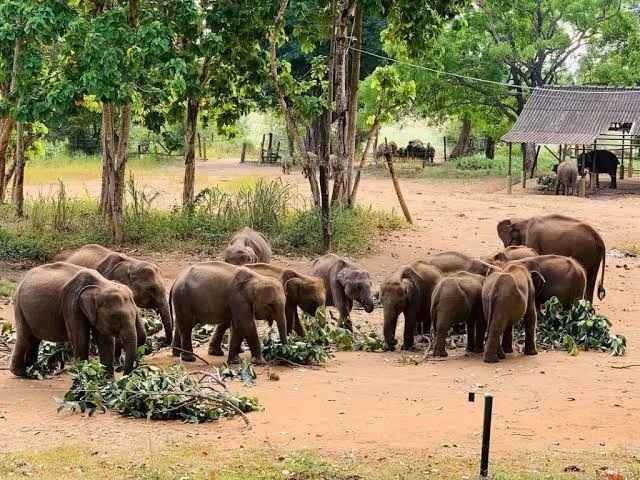
Unlike commercial captive elephant attractions, the Udawalawe Elephant Transit Home strictly prioritizes the animals' long-term welfare and true wild reintroduction. The young calves are never chained, forced to perform tricks, or touched by tourists. Instead, travelers gather quietly on an elevated viewing terrace to watch dozens of joyful baby elephants sprint enthusiastically toward their dedicated handlers for their scheduled warm milk feedings.
Pioneering Ethical Conservation: Rehabilitation for the Wild
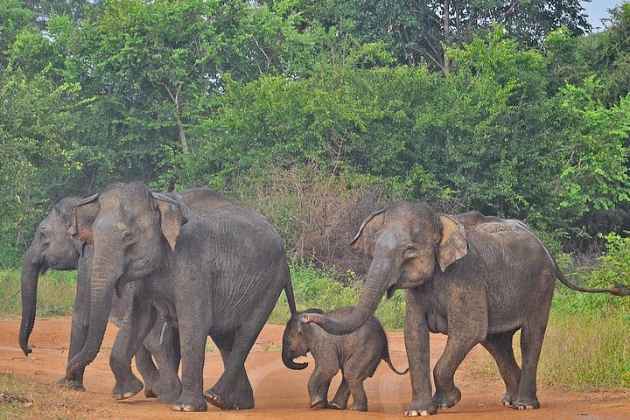
The core philosophy of the Udawalawe Elephant Transit Home is rooted in genuine rehabilitation rather than commercial tourism. Calves rescued from abandoned agricultural wells, jungle snares, or human-elephant conflict situations arrive at the transit home traumatized and malnourished. Under round-the-clock veterinary surveillance, they are nurtured in a natural herd structure. Once calves reach approximately four to five years of age and no longer rely on milk formulas, they are fitted with radio telemetry collars and released in herds into the protected wilderness of Udawalawe National Park.
Top Highlights to Experience at the Transit Home
A visit to the Udawalawe Elephant Transit Home is deeply touching and educational for wildlife lovers of all ages:
1. The Milk-Feeding Rush
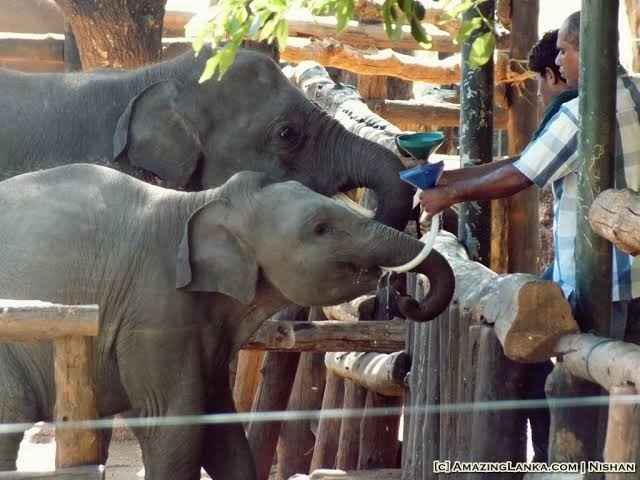
As the feeding bell rings, calves emerge from the scrub forest and gallop down the path, nudging one another playfully to gulp down bottles of fortified milk delivered through giant funnels by DWC caretakers.
2. Sheltered Observation Platform
Visitors observe the entire feeding ritual from a raised wooden pavilion positioned across a natural water ditch, ensuring clear photographic angles while preserving a healthy buffer between calves and humans.
3. Mud Baths & Social Play
After finishing their milk, the calves socialize around the open paddock, rolling in red mud to protect their delicate skin from the dry-zone sun and browsing on green forage, tree bark, and fresh grass.
4. On-Site Elephant Information Museum
Adjacent to the viewing deck, the educational museum details elephant biology, the anatomy of wild Asian elephants, tracking telemetry maps, and challenges surrounding human-elephant coexistence.
Daily Feeding Timetable & Practical Visitor Details
To witness the feeding sessions, planning your arrival around the official Department of Wildlife Conservation timetable is essential:
| Daily Feeding Session | Feeding Time | Visitor Guidance & Tips |
|---|---|---|
| Morning Session | 9:00 AM | Ideal temperature and lighting for photography; pair effortlessly with a morning drive from the southern coast. |
| Midday Session | 12:00 PM (Noon) | Very popular among day-trippers traveling between Ella and the southern beaches of Tangalle or Mirissa. |
| Afternoon Session | 3:00 PM | The best time slot to pair with an afternoon 4x4 wildlife safari inside Udawalawe National Park (starting at 3:30 PM). |
| Evening Session | 6:00 PM | A quieter dusk session attended mostly by visitors staying overnight at eco-lodges around Udawalawe reservoir. |
Visitor Guidelines & Ethical Sanctuary Etiquette
- Arrive 20 Minutes Early: The feeding ritual is swift (taking roughly 20 to 30 minutes). Arriving 20 minutes prior to the scheduled feeding ensures you secure a prime spot along the observation rail.
- Maintain Quiet on the Platform: Loud cheering, shouting, or whistling can easily startle the baby elephants. Respectful silence is appreciated by park naturalists.
- Strictly No Touching or Feeding: Visitors are not allowed to step off the platform, touch, or feed the calves. All nutritional formulas are scientifically balanced and administered exclusively by medical staff.
- Foster an Elephant Program: Support the sanctuary’s ongoing mission by participating in the "Name a Baby Elephant" or elephant fostering program through the Born Free Foundation, directly financing their milk formulas and medical care.
Experience Ethical Wildlife Safaris with Sri Lanka Eden Travels
Witness the inspiring conservation work of the Udawalawe Elephant Transit Home on a tailor-made southern wildlife itinerary with Sri Lanka Eden Travels. Our curated journeys combine private air-conditioned transport, verified 4x4 safari jeeps in Udawalawe National Park, and luxury wilderness glamping camps that respect animal welfare.