

Yala National Park: The Complete Safari, Wildlife & Travel Guide
Covering an expansive 978.8 square kilometers (378 square miles) across the Southern and Uva Provinces of Sri Lanka, Yala National Park (also designated as Ruhuna National Park) is the island’s second-largest and undisputed flagship wildlife sanctuary. Hugging the Indian Ocean coastline approximately 300 kilometers southeast of Colombo, Yala presents a breathtaking ecological fusion of semi-arid thorn forests, coastal lagoons, riverine woodlands, and imposing granite rock outcrops known as inselbergs.
Celebrated across the globe for harboring one of the highest recorded leopard population densities in the world, Yala offers nature enthusiasts and photographers an extraordinary, up-close window into Sri Lanka’s untamed wilderness.
History & Protected Status of Yala
Originally designated as a wildlife sanctuary in 1900 under British colonial rule, Yala was officially declared one of Sri Lanka’s first two national parks in 1938 (alongside Wilpattu). Historically, the region was an integral part of the ancient Ruhuna civilization, evidenced by over 45 ancient archaeological sites scattered across the reserve, including centuries-old monastic ruins, rock inscriptions, and ancient irrigation tanks (wewas) that still quench the thirst of wildlife today.
The park is divided into Five Administrative Blocks, alongside contiguous protected sanctuaries:
- Block 1 (Ruhuna Sector): Spanning 14,101 hectares, this is the historic epicenter of Yala safaris. Bordered by the Menik Ganga and the ocean, it holds the highest concentration of leopards, elephants, and tracks. Accessed primarily through the Palatupana Gate.
- Block 2: Located east of Block 1 across the Menik River. Characterized by coastal scrub and salt pans, this block serves as a crucial migratory corridor and is accessible through Katagamuwa.
- Block 3 & 4: Denser, rugged, and heavily forested interior zones designated strictly for wilderness conservation and scientific research.
- Block 5 (Weheragala Sector): Bordering the scenic Weheragala Reservoir. Opened to relieve pressure from Block 1, it offers pristine scenery, low jeep congestion, and excellent birding and elephant viewing via the Galge Gate.
- Neighboring Reserves: Yala seamlessly connects with Kumana National Park (Yala East), Lunugamvehera National Park, and Kataragama Sanctuary, forming an uninterrupted mega-biodiversity corridor.
The Wildlife: Meeting the "Big Three" & Coastal Fauna
Yala’s complex ecosystem supports 44 mammal species, 215 bird varieties, and dozens of reptiles and amphibians:
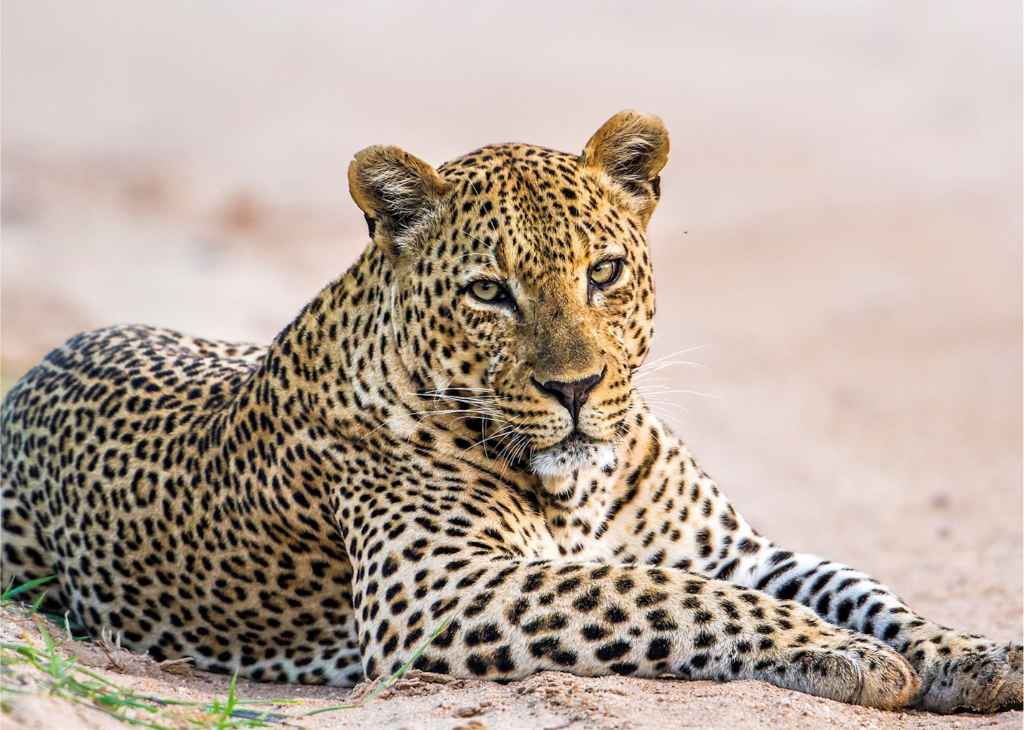
- The Sri Lankan Leopard (Panthera pardus kotiya): The apex predator of Sri Lanka. Because lions and tigers never existed here, the Sri Lankan leopard evolved as the top hunter, displaying remarkably fearless daytime behavior. Block 1 is home to an estimated 40–50 resident leopards, giving visitors exceptional sighting odds.
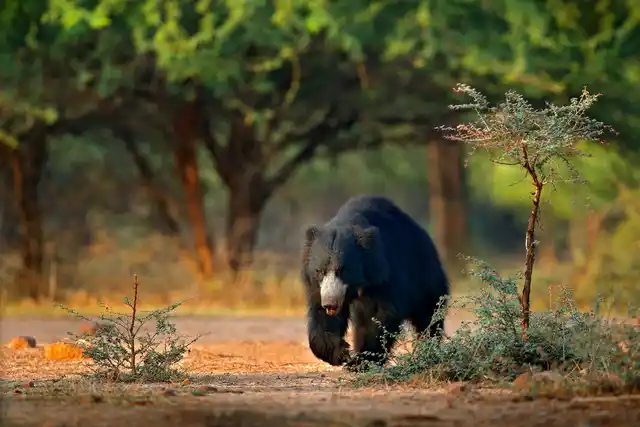
- The Sri Lankan Sloth Bear (Melursus ursinus inornatus): Highly shy and predominantly nocturnal, the sloth bear is an extraordinary safari prize. Sightings skyrocket between May and July when the sweet wild Palu (Ceylon Ironwood) and Weera trees drop their ripe fruit across the forest floor.
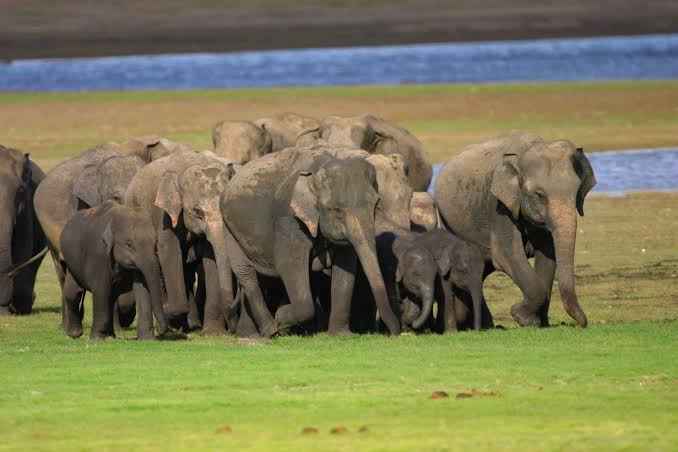
- Asian Elephants (Elephas maximus maximus): A healthy population of 300 to 350 elephants roams Yala. Visitors regularly encounter playful family herds with calves grazing along marshes or solitary bulls bathing in natural mud pools.
- Mammals & Herbivores: Vast herds of Spotted Deer (Chital), majestic Sambar Deer, Wild Boars, Golden Jackals, Stripe-necked Mongooses, and Ruddy Mongooses animate every corner of the park.
- Reptilian Giants: Both Mugger Crocodiles and massive Saltwater Crocodiles inhabit the freshwater lagoons and estuaries. Land Monitors, Indian Rock Pythons, and Flying Snakes also thrive within the rocky underbrush.
- A World-Class Avian Haven: Yala is a designated Important Bird Area (IBA). Highlights include the Sri Lanka Junglefowl (national bird), Malabar Pied Hornbills, Crested Serpent Eagles, and thousands of migratory flamingos, pelicans, and waders congregating at the Mahaseelawa and Buthawa lagoons from October to March.
Safari Timing Options & Park Schedules
The park gates open strictly from 6:00 AM to 6:00 PM daily. Choosing the right safari duration is crucial for balancing wildlife activity and physical comfort:
| Safari Type | Time Window | Experience & Advantages |
|---|---|---|
| Morning Safari (Most Popular) | 6:00 AM – 9:30 AM | Crisp morning light, active predator movement, and dawn bird choruses. Excellent for spotting leopards returning from night hunts. |
| Afternoon Safari | 2:30 PM – 6:00 PM | Animals awaken from midday siestas. Golden hour lighting creates incredible photography conditions around watering holes. |
| Full-Day Safari (Enthusiasts) | 6:00 AM – 6:00 PM | Explore deeper into remote zones. During the mandatory midday rest (12:00 PM – 2:00 PM), jeeps park at designated scenic riverbanks like Patanangala or Menik Ganga. |
Best Season to Visit Yala
While Yala delivers memorable wildlife viewings year-round, distinct weather patterns dictate sighting dynamics:
| Season | Months | Weather & Wildlife Dynamics |
|---|---|---|
| Peak Dry Season (Optimal) | February – July | Vegetation thins drastically and water levels shrink into central waterholes. Animals congregate in open view, maximizing leopard and bear sightings. |
| Annual Maintenance Rest | September – October | Block 1 is traditionally closed for 4 to 6 weeks by the Department of Wildlife Conservation for habitat recovery. Safaris seamlessly shift to Block 5 and Lunugamvehera. |
| Lush Migratory Season | November – January | Northeast monsoon rains transform the landscape into a vibrant emerald paradise. Outstanding for landscape photography and migratory birdwatching. |
Park Entrance Fees & Safari Costs (Practical Info)
Entering Yala National Park involves two primary components: the official government wildlife permit and private safari jeep hire.
- Department of Wildlife Conservation (DWC) Permits: Entrance fees depend on visitor nationality, group size, and current government taxes (approx. $25–$35 USD per adult foreigner, with concessionary rates for children). Tickets are purchased at the Palatupana or Galge entrance counters or online via the official DWC portal.
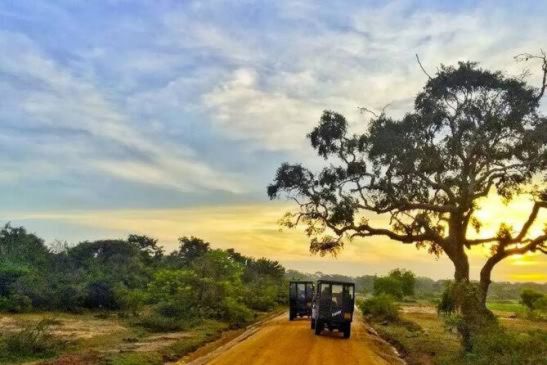
- Safari Jeep Hire: Specially modified 4x4 safari jeeps with raised, stadium-style seating and open canvas roofs accommodate up to 6 passengers. Half-day jeep hire typically ranges between $40–$65 USD, while full-day hire ranges from $80–$120 USD (excluding driver tips and park tickets).
- Mandatory Park Trackers: When available, an official DWC wildlife tracker accompanies jeeps free of charge to ensure park rules are obeyed and assist with tracking.
Important Landmarks Inside the Park
- Patanangala Beach & Memorial: A striking coastal headland where visitors can disembark to stretch their legs on the beach and pay respects at the 2004 Indian Ocean Tsunami Memorial.
- Sithulpawwa Rock Temple: An ancient monastery situated inside the park dating back to King Kavantissa's era (2nd Century BC), believed to have housed thousands of meditating monks.
- Menik Ganga Resting Site: A serene, shaded river stop lined with massive Kumbuk trees where full-day safari guests enjoy picnic lunches.
Essential Safari Etiquette & Packing Checklist
- Wear Neutral Earth Tones: Dress in lightweight, breathable khaki, olive green, beige, or grey clothing. Bright reds, whites, and neons disturb and alert animals.
- Photography Gear: A telephoto zoom lens (minimum 300mm–400mm) is strongly recommended for close-up animal portraits. Carry dust covers or zip bags to protect delicate camera bodies from red dust.
- Stay Inside the Vehicle: Under no circumstances are visitors allowed to step out of the safari vehicle, except at designated points (Patanangala, Menik Ganga river stop).
- Absolute Silence: Keep mobile phones on silent mode. Shouting, playing music, or leaning excessively out of the windows is strictly prohibited.
- Zero Plastic Waste: Yala is a strict no-polythene zone. Single-use plastic bags and disposable wrappers are confiscated at the entrance gate.
Plan Your Bespoke Yala Safari with Eden Travels
Whether you dream of staying in luxury eco-glamping tents bordered by wild scrubland, securing private 4x4 jeeps with veteran naturalist guides, or pairing Yala with Ella, Mirissa, and Galle, Sri Lanka Eden Travels designs your unforgettable wildlife journey.