

Tamil Language in Sri Lanka: Heritage, Culture & Traveler’s Guide
Recognized globally as one of the world's oldest surviving classical languages, the Tamil language in Sri Lanka holds a profound historical, literary, and cultural status spanning over two millennia. As documented by Wikipedia's Tamil linguistic records, it forms an official national language and an essential pillar of the island's multi-ethnic heritage.
Today, the Tamil language in Sri Lanka is spoken by approximately 25% of the total population, serving as the mother tongue for Sri Lankan Tamils, Up-Country Tamils, and Sri Lankan Moors. For travelers exploring Sri Lanka, encountering the lyrical Tamil script, centuries-old temple rituals, and generous hospitality offers an unforgettable cultural immersion.
The Diversity of the Tamil Language in Sri Lanka
The Tamil language in Sri Lanka reflects rich regional dialects and historical nuances across three distinct cultural traditions:
1. Sri Lankan Tamils (Northern & Eastern Provinces)
Ancient HeritageInhabiting the Jaffna peninsula, the Vanni, Trincomalee, and Batticaloa for millennia, this community preserves an archaic dialect of the Tamil language in Sri Lanka closely aligned with classical Sangam literature. Their heritage is showcased in monumental Dravidian temples, rich Carnatic musical traditions, and distinctive Jaffna culinary spices.
2. Up-Country / Hill Country Tamils
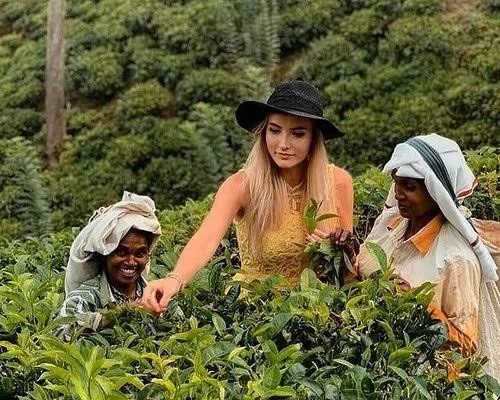
Central Tea LandsResiding in the central highlands around Nuwara Eliya, Hatton, Ella, and Bandarawela, this community’s ancestors arrived during the British colonial era in the 19th century to cultivate the island’s world-famous Ceylon tea estates. Their vibrant culture features colorful hillside kovils, traditional folk dances, and Hindu harvest festivals like Thai Pongal.
3. Sri Lankan Moors (Muslim Community)
Maritime & TradeDescended from ancient Arab maritime merchants who married locally, the Moorish community across the island uses Tamil as their primary mother tongue (frequently termed Arwi or spoken Muslim Tamil), incorporating Arabic loanwords into daily speech.
Visiting a Hindu Kovil: Essential Traveler Etiquette
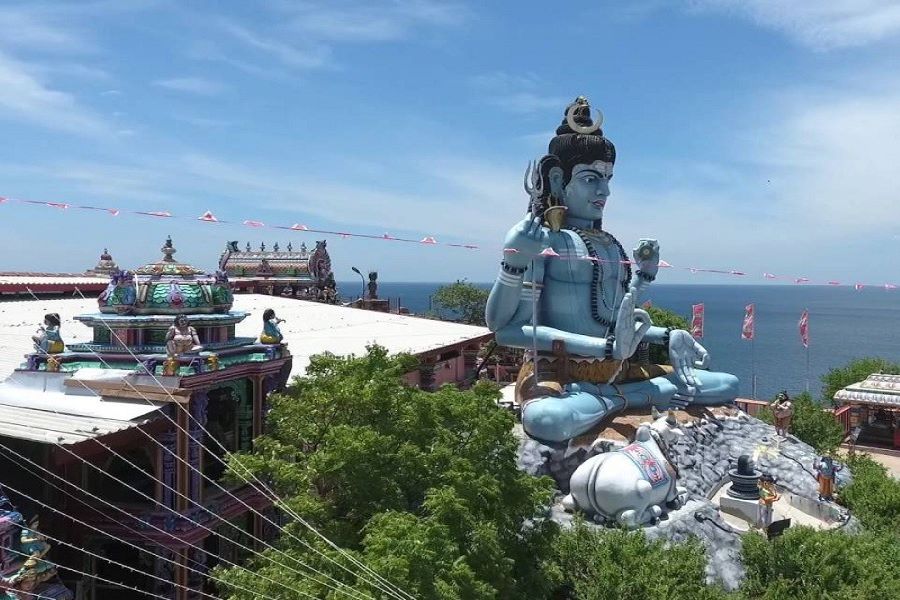
Sri Lanka is home to ancient Hindu shrines (Kovils) dedicated to Shiva, Murugan, Vishnu, and Ganesh. When visiting these sacred sites:
- Remove Footwear: Leave shoes and sandals at the temple shoe counter before entering the sacred perimeter.
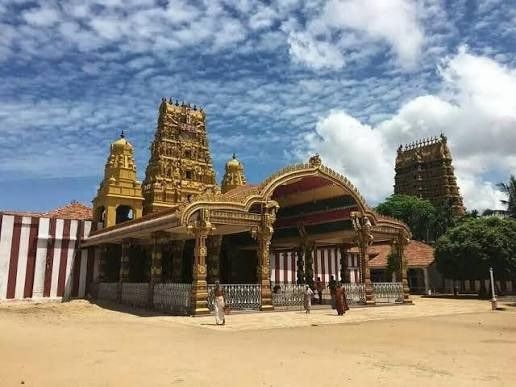
- Respectful Attire: Dress modestly with covered shoulders and knees. In traditional temples such as Nallur Kandaswamy Kovil in Jaffna, male visitors are respectfully requested to remove their shirts to enter the inner sanctum.
- Temple Offerings: Devotees often present fresh fruits, coconuts, or jasmine flower garlands for the Puja (blessing ceremony), conducted to the stirring sounds of the Nadaswaram (pipe horn) and Thavil (drums).
Top Tamil Heritage Landmarks to Experience
Weaving these cultural and historic landmarks into your holiday itinerary provides a deep connection to Sri Lanka's Tamil heritage:
- Nallur Kandaswamy Kovil (Jaffna): One of the most sacred Hindu pilgrimage sites in Sri Lanka, famed for its towering golden gopurams and the grand annual 25-day Nallur Festival.
- Koneswaram Temple (Trincomalee): Perched on the dramatic cliff face of Swami Rock towering above the Indian Ocean, this ancient "Temple of a Thousand Pillars" dates back over 2,000 years.
- Seetha Amman Temple (Ashok Vatika, Nuwara Eliya): A sacred, colorful temple situated in the misty hills of Nuwara Eliya, revered in the ancient Ramayana epic as the place where Sita was held.
- Munneswaram & Naguleswaram Temples: Two of the ancient Pancha Ishwarams (five historic coastal shrines of Lord Shiva) guarding the coastal borders of the island.
Useful Tamil Travel Phrases for Your Journey
Connecting with locals in their mother tongue is always welcomed with warm smiles. Here are practical everyday Tamil phrases for travelers:
| English Meaning | Tamil Phrase | Phonetic Pronunciation |
|---|---|---|
| Hello / Greetings | வணக்கம் | Vanakkam |
| Thank you very much | மிக்க நன்றி | Mikka Nandri |
| How are you? | எப்படி இருக்கிறீர்கள்? | Eppadi irukkeereengal? |
| I am doing well | நான் நன்றாக இருக்கிறேன் | Naan nandraaga irukkiren |
| How much is this? | இது எவ்வளவு? | Ithu evvalavu? |
| Where is this place? | இந்த இடம் எங்கே இருக்கிறது? | Intha idam engae irukkirathu? |
| Very delicious! | ரொம்ப ருசியாக இருக்கு! | Romba rusiyaga irukku! |
Frequently Asked Questions About the Tamil Language in Sri Lanka
Is the Tamil language in Sri Lanka different from Indian Tamil?
Yes. While mutually intelligible, the Tamil language in Sri Lanka preserves older grammatical forms and classical Sangam-era vocabulary that evolved differently in modern India.
Where is Tamil mostly spoken in Sri Lanka?
It is predominantly spoken in the Northern and Eastern provinces, across the central tea highlands, and in major commercial cities like Colombo.
Explore the Rich Cultural Diversity of Sri Lanka with Eden Travels
From private chauffeured journeys through the historic Jaffna peninsula and Trincomalee’s tranquil beaches to immersive tea estate visits in Hatton and Ella, Sri Lanka Eden Travels designs bespoke cultural journeys that unveil the authentic soul and multicultural heritage of the island.