

Sinharaja Forest Reserve: Complete Trekking & Rainforest Wildlife Guide
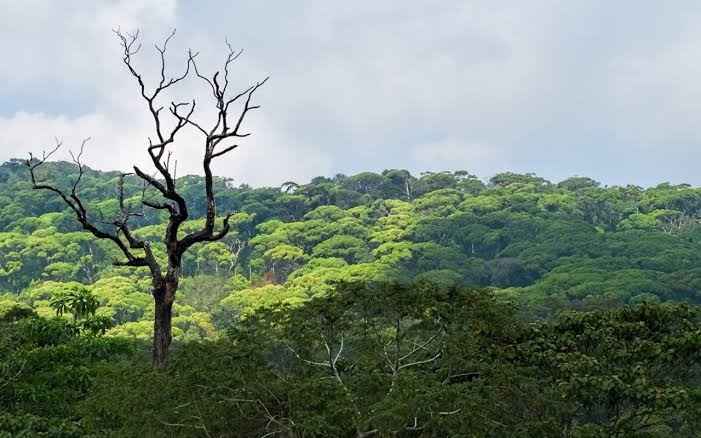
Shrouded in primeval mist and teeming with extraordinary biological diversity, Sinharaja Forest Reserve is Sri Lanka’s last viable expanse of primary tropical lowland rainforest. Spanning over 11,000 hectares across the Sabaragamuwa and Southern provinces, this ancient virgin jungle is inscribed as an official UNESCO World Heritage Site and designated a UNESCO Biosphere Reserve.
Meaning "Kingdom of the Lion" in Sinhalese, Sinharaja serves as a living evolutionary sanctuary. More than 60% of the towering canopy trees are endemic to Sri Lanka, and an astonishing 95% of the island's endemic bird species inhabit its dense, moss-draped canopies. For nature enthusiasts, birdwatchers, and trekking adventurers, wandering beneath its cathedral-like trees offers an encounter with pure wilderness found nowhere else in South Asia.
The Phenomenon of "Mixed-Species Bird Feeding Waves"
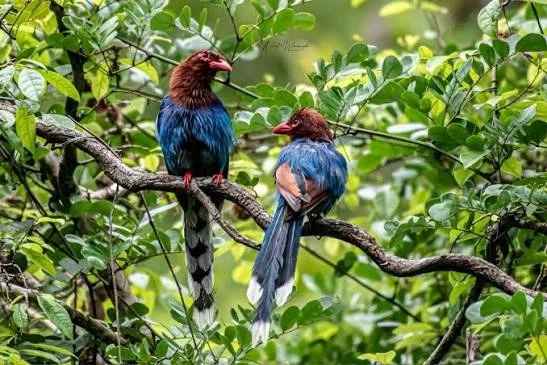
Sinharaja is world-renowned for hosting the largest mixed-species bird foraging flocks on earth. In this cooperative survival phenomenon, up to 30 to 45 different bird species move through the rainforest canopy as a single united front. Leading the wave are the vocal Orange-billed Babblers and fearless Sri Lanka Crested Drongos, stirring up flying insects that are then hunted by elusive endemic gems like the Red-faced Malkoha, Sri Lanka Blue Magpie, and the secretive Serendib Scops Owl.
Iconic Flora & Rare Wildlife in Sinharaja Forest Reserve
Exploring Sinharaja reveals an intoxicating tapestry of rare creatures and ancient evolutionary marvels:
- Avian Endemics & Birdwatching: The forest is home to virtually all of Sri Lanka’s 34 endemic bird species, including the elusive Chestnut-backed Owlet, Ashy-headed Laughingthrush, Layard’s Parakeet, and the dazzling Sri Lanka Hanging Parrot.
- Reptiles, Amphibians & Microfauna: The wet leaf litter shelters endemic hump-nosed lizards, kangaroo lizards, green pit vipers, and jewel-like tree frogs that change coloration with morning dew.
- Canopy Mammals: While rare leopards and a handful of relict rainforest elephants dwell deep within core untouched zones, hikers regularly spot the endemic Purple-faced Langur swinging through towering Shorea trees, giant squirrels, and barking deer.
- Cascading Jungle Waterfalls: Multiple roaring cascades, including Brahmagala Falls, Gal Oya Falls, and Kekuna Falls, plunge into emerald freshwater pools offering refreshing pit-stops along the forested trails.
Choosing Your Entrance: Kudawa (North) vs. Pitadeniya (South)
Sinharaja can be entered from multiple access points, each catering to different travel schedules and base locations:
| Trail Feature | Kudawa Entrance (Northern Gate) | Pitadeniya Entrance (Southern Gate) |
|---|---|---|
| Access Base & Location | Near Kalawana / Weddagala (Convenient from Colombo & Ratnapura) | Near Deniyaya (Convenient from Galle & South Coast beaches) |
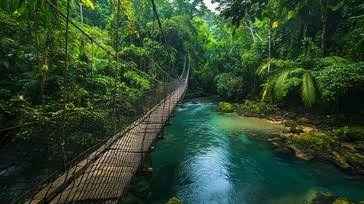
| Trail Highlights | Moulawella Peak, Research Station, Giant Navada Tree trail | Kakuna Ella, Pathan Oya Falls, Suspension bridge, Sinhagala Peak |
| Terrain & Difficulty | Wider unpaved jeep tracks leading to gentle rainforest footpaths | Suspension footbridge entry over Ginganga, stepped natural trails |
| Best Suited For | Serious birders, nature photographers, and conservationists | Day-trippers from Southern beach resorts and waterfall chasers |
Popular Trekking Routes & Summit Trails
All guided treks are led by certified Department of Wildlife or Forest Department naturalists:
- Moulawella Peak Trail (Approx. 3–4 Hours Return): Departing from the Kudawa conservation station, this gentle 3 km trail winds through primary forest and fern glades, ascending to a scenic rocky promontory with panoramic views over the unbroken emerald forest expanse.
- Sinhagala (Lion Rock) Expedition (Approx. 6–7 Hours Return): A demanding 14 km deep-jungle trek for intrepid hikers, leading to the towering granite crest of Sinhagala that looms above the central canopy.
- Short Waterfall Loops (Approx. 2 Hours): Ideal for casual walkers and families, following shaded stream beds to picturesque natural pools and rock pools.
Rainforest Trekking Essentials: Leeches, Gear & Guidelines
- Leech Protection is Essential: Sinharaja's rich, humid forest floor is home to harmless land leeches. Wear full-length hiking trousers tucked into protective canvas leech socks (available at park ticket gates or local eco-lodges) and apply salt or Dettol/citronella balm.
- Mandatory Forest Trackers: Visitors are not permitted to enter the reserve unescorted. You must hire a licensed Forest Department guide at the ticketing office; their trained eyes are vital for spotting well-camouflaged snakes, frogs, and owls.
- Weather Preparation: As a true tropical rainforest, rain can fall at any moment. Pack a lightweight waterproof poncho, dry bags for electronics/cameras, and wear closed-toe trail shoes with rugged grip for wet roots.
- Best Time to Visit: Although it rains year-round, the driest months with clearer trekking paths are December to April and July to September. Early mornings (6:30 AM – 9:30 AM) offer the highest bird activity.
Trek the Wild Heart of Sinharaja with Sri Lanka Eden Travels
Immerse yourself in Sri Lanka’s greatest biological treasure. From private 4x4 transfers and eco-lodge bookings nestled on rainforest borders to private excursions led by licensed wildlife naturalists, Sri Lanka Eden Travels crafts unforgettable, eco-conscious expeditions tailored to your pace.